Common pests and diseases of honeysuckle: do a good job of early prevention, early treatment and integrated management
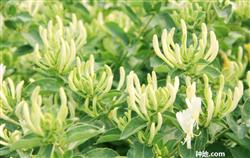
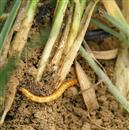
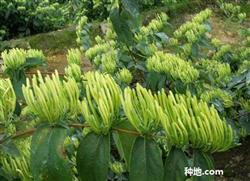
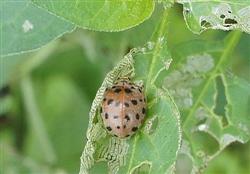
Honeysuckle (Lonicera japonica) is often troubled by pests and diseases during its growth. Among the diseases that occur most commonly are powdery mildew, brown spot, anthracnose and root rot, while the main insect pests are aphids, red spider mites, inchworms and longhorn beetles. These problems tend to worsen under high temperature and high humidity, poor ventilation, or when the plants grow weakly. Mastering the key points for identifying common pests and diseases and the approach to their control is the key to preserving flower bud yield and quality.
Powdery mildew and brown spot mainly damage the leaves. In the early stage of the disease, a white powdery layer or irregular brown patches appear on the leaf surface, and in severe cases the leaves wither and drop off. For control, diseased leaves and branches should be pruned off promptly and carried out of the field for destruction, while ventilation and light penetration should be improved, drainage should be attended to during the rainy season, and targeted fungicides should be sprayed when necessary, with attention to rotating the products used to delay the development of resistance.
Aphids and red spider mites often gather on young shoots and the undersides of leaves to suck sap, causing leaves to curl and turn yellow; leaf-eating pests such as inchworms directly gnaw on leaves and flower buds. In the early stage of infestation, affected leaves and branches can be removed by hand; when pest numbers are large, low-toxicity pesticides should be sprayed, focusing on the undersides of leaves and the tender buds, and several follow-up observations are needed to bring them under control.
Because honeysuckle flower buds are mostly used as medicine or as a tea substitute, pesticide use should avoid the harvest period and strictly observe the pre-harvest interval, giving priority to agricultural and physical control methods. In daily management, reasonable pruning, balanced fertilization and growing vigorous plants, combined with winter orchard cleaning and the centralized disposal of dead branches and fallen leaves, can significantly reduce the base level of pest and disease occurrence in the following year.
Related reading