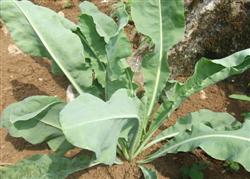
How to Grow and Manage Polygonum multiflorum (He Shou Wu) and Key Field Care Points
Polygonum multiflorum (He Shou Wu) is a perennial twining vine in the Polygonaceae family, and its tuberous root is one of the traditional commonly used medicinal materials. It prefers a warm, humid climate and has strong adaptability, making it suitable for planting in deep, loose, fertile, well-drained sandy loam soil; it dislikes waterlogged and heavy, compacted plots. Management runs through the entire growing period and directly affects the expansion and quality of the tuberous root.
Water and nutrient management are key steps. During the growing period, Polygonum multiflorum needs the soil kept moist, and in the rainy season the ditches should be cleared and drained in time to prevent waterlogging in the field from causing root rot. For fertilization, heavy application of base fertilizer should be emphasized, mainly with decomposed organic fertilizer, combined with an appropriate amount of phosphorus and potassium fertilizer; during the growing period, appropriate topdressing should be applied according to the vigor of the vines, and adding more phosphorus and potassium fertilizer later is beneficial for filling out the tuberous root.
Because the vines of Polygonum multiflorum grow vigorously, trellising and guiding the vines cannot be neglected. When the vines reach a certain length, supports need to be set up to guide the stems and vines to climb and twine upward, improving ventilation and light conditions. At the same time, excessively dense vines can be pruned appropriately to reduce nutrient consumption, so that more nutrients are transported to the tuberous root.
Routine management also includes intertillage weeding and pest and disease control. In the early growth stage there are more weeds, so they should be removed in time along with loosening the soil; in the middle and late stages, shallow hoeing is enough to avoid damaging the roots. In hot and humid seasons, root rot, leaf spot, and aphids are prone to occur, so prevention should be the main approach, paying attention to drainage and reducing humidity, keeping the field well ventilated, and handling diseased plants promptly when found.
The tuberous root of Polygonum multiflorum has a long growth period and usually needs to grow for several years before harvesting. When digging, dig deep and remove carefully to avoid bruising the tuberous root and affecting quality. As long as water and fertilizer, trellising, and plant protection are managed well, the yield and quality of Polygonum multiflorum will be better guaranteed.
Related Reading