How to Cultivate Stemona
Stemona is a perennial climbing herbaceous plant in the family Stemonaceae. Its tuberous roots can be used as medicine and have effects such as moistening the lungs and relieving cough, killing insects and eliminating lice, making it one of the commonly used traditional Chinese medicinal materials. Its cultivation cycle is relatively long, generally requiring more than two to three years of growth before harvest, so long-term planning should be done before planting.
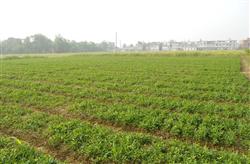
Stemona prefers a warm and humid climate, has strong shade tolerance, and is afraid of direct strong light and waterlogging. The best soil is deep, loose, fertile sandy loam with good drainage; plots that are heavy clay or low-lying and prone to waterlogging are not suitable for planting. The planting site can be chosen at the forest edge, on sloping land, or intercropped with field crops, which can both meet its shade requirements and make convenient use of the land.
There are two propagation methods: seed propagation and root division propagation. Seed propagation is mostly done by sowing immediately after harvest in autumn, or by sowing in the following spring; after sowing, keep the soil moist and provide appropriate shade, and after seedlings emerge, pay attention to thinning and weeding. Root division propagation is carried out in combination with harvesting, planting healthy small tuberous roots separated from the mother plant; the survival rate is relatively high, and results are seen more quickly.
In terms of field management, because the stems and vines of Stemona are twining, supports or intercropped tall-stalk crops need to be set up during the growing period for them to climb on. In daily care, keep the soil moist, drain promptly during the rainy season to prevent waterlogging, and apply fertilizer along with cultivating and weeding, mainly using decomposed farmyard manure, to promote tuberous root enlargement. Waterlogging easily causes root rot, which is the most common problem in cultivation and needs to be prevented as a priority.
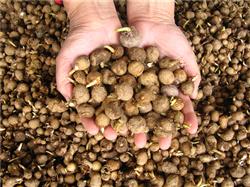
Tuberous roots are generally dug in autumn or winter when the aboveground parts wither after two to three years of planting. After digging them out, wash them clean, process them by steaming or boiling, and then dry them in the sun before storage or sale. There are relatively few diseases throughout the growing period; as long as drainage and waterlogging prevention and routine management are done well, a relatively good harvest can usually be obtained.
Related Reading