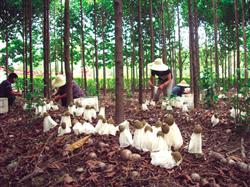
A Detailed Guide to High-Yield Lingzhi (Reishi) Cultivation: Scientific Management Boosts Yield and Quality
High-yield lingzhi (reishi) cultivation refers to a cultivation model in which scientific growing methods and meticulous management during the fruiting stage allow lingzhi to achieve higher yields and better quality per unit area or per unit of substrate. Lingzhi is a medicinal fungus; in artificial cultivation, the red lingzhi (Ganoderma lucidum) is the most common, along with varieties such as the purple lingzhi (Ganoderma sinense), and two main methods are used: log cultivation and substitute substrate cultivation.
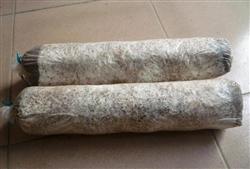
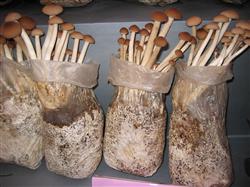
Log cultivation uses short logs as the growing substrate; the nutrients are abundant, and the lingzhi that grows has a thick, substantial cap and good quality. Substitute substrate cultivation, by contrast, uses a substrate made from sawdust, wheat bran and other materials, packed into bags and inoculated; the cycle is shorter and the cost is relatively lower. Each method has its own characteristics, and growers can choose the model that suits them according to local resources and management conditions.
To achieve high yields of lingzhi, environmental management during the fruiting stage is key. Both mycelial growth and fruiting body development require a warm, humid environment; the temperature is generally kept at around 25 degrees Celsius, and the air humidity should be on the high side. At the same time, attention must be paid to ventilation and air exchange to avoid carbon dioxide accumulation, which can cause slender stipes or deformed fruiting bodies. Appropriate lighting also helps the cap to expand normally.
When the white growth ring at the edge of the cap disappears, the color turns reddish-brown and spores begin to be released, the lingzhi is close to maturity and can be harvested in batches; where conditions permit, bags can also be placed over them to collect spore powder. In daily management, site disinfection and pest and disease prevention must also be done well, keeping the environment clean and reducing contamination by foreign microorganisms, so that high yields can be achieved reliably.
Related Reading