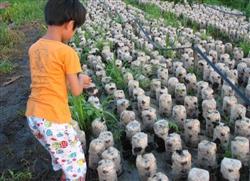
The method for growing black fungus (wood ear mushroom) is not difficult; the key lies in seed selection and fruiting management.
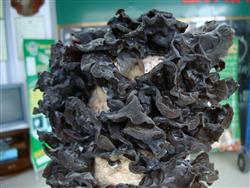
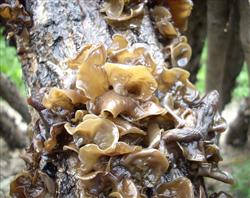
Black fungus (wood ear mushroom) is a common gelatinous edible fungus with a crisp, tender texture and rich nutrition; it can be eaten fresh or dried for storage. At present, artificial cultivation is mainly done through bag substrate cultivation, and the technique is fairly mature. Farmers can set up production using idle sheds or greenhouses, making it a common edible mushroom cultivation project in many regions.
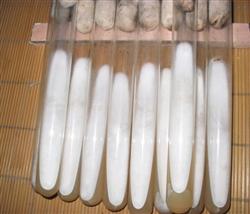
The first step in cultivation is selecting good spawn. Choose age-appropriate spawn with white, thick mycelium and no contamination by stray microorganisms, and buy from reputable spawn suppliers as much as possible, avoiding old or unknown-origin spawn so as not to affect mycelial growth and later yields.
The substrate can be sourced locally, commonly using sawdust, cottonseed hulls, corn cobs and other agricultural and forestry by-products, mixed with water in proportion. The moisture content is right when the mixture forms a ball in the hand and water shows between the fingers without dripping. After bagging, sterilize promptly, wait until the substrate temperature drops to room temperature, then inoculate in a clean environment. After that, move the bags into a dark, ventilated incubation room for mycelial growth; generally, the mycelium will fully colonize the bags in about a month or so.
Management during the fruiting stage is the most critical. After ear buds appear on the bags, holes can be opened to stimulate fruiting, maintaining relatively high air humidity and replenishing water by misting, while ensuring ventilation and an appropriate amount of scattered light to prevent high temperature and high humidity from causing "flowing ear" disease. If rotten ears or flowing ears are found, stop watering immediately, strengthen ventilation, promptly remove diseased ears and disinfect the surrounding environment to prevent spread.
Overall, black fungus cultivation is not complicated. By focusing on spawn selection, sterilization, temperature and humidity control, and ventilation, and by observing frequently and handling problems early in daily management, the uniformity and quality of fruiting will be better guaranteed.
Related Reading