Key Points of Straw Mushroom Preservation Technology and Introduction to Common Methods
Straw mushroom (Volvariella volvacea) has tender flesh and a delicious flavor, but its fruiting bodies have a high water content, loose tissue and vigorous respiration, and after harvest they very easily open their caps, turn brown and rot, making them one of the more difficult types of edible fungi to preserve. Mastering scientific straw mushroom preservation technology is crucial for extending shelf life and maintaining commercial quality.
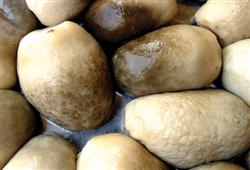
The harvesting stage is the first step in preservation. Straw mushrooms are best harvested at the egg-shaped stage, before the veil has ruptured, when the tissue is firm and storability is relatively good. After harvest, field heat should be dissipated as quickly as possible, and damaged, cap-opened and pest- or disease-carrying mushrooms should be removed to reduce losses during transport.
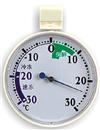
Temperature control is the key focus of straw mushroom preservation. Straw mushrooms originated in tropical and subtropical regions and are not tolerant of low temperatures; storage at too low a temperature easily causes chilling injury, with the mushrooms becoming soft, exuding water, turning yellow and losing their elasticity, so they should not be placed in cold storage near zero degrees for long periods. In practice, a temperature of around 15°C is mostly used for short-term storage and transport, combined with relatively high humidity and appropriate ventilation, to keep the mushrooms fresh.
In addition to temperature management, controlled atmosphere preservation, film packaging, salt water soaking and other methods are also often used in practice, delaying cap opening and deterioration by reducing oxygen concentration and inhibiting respiration. It should be noted that the preservation period of straw mushrooms is generally short, and after harvest they should be graded, packaged and sold quickly on a fast turnover basis to avoid prolonged stacking and pressure that lead to quality decline.
Related Reading