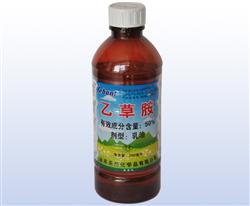
Herbicidal Characteristics of Acetochlor and Its Soil-Sealing Application Methods
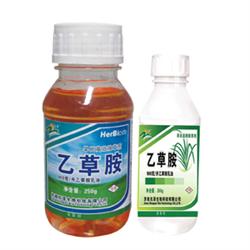
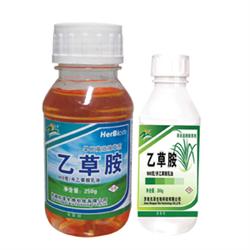
Acetochlor is an amide-type selective herbicide that mainly controls annual grass weeds through pre-emergence soil sealing, and it also has a certain effect on some small-seeded broadleaf weeds. The chemical is absorbed by young shoots and young roots during the weed germination stage, interfering with the normal growth of the weeds so that they gradually wither and die before or after emergence. Because of its good sealing effect and relatively long residual activity, it is widely used in agricultural production.
In terms of the range of application, acetochlor is commonly used in fields of corn, soybean, peanut, cotton, rapeseed and other crops, and can control common grass weeds such as barnyardgrass, crabgrass and foxtail. It should be noted that different crops vary in their sensitivity to the chemical; extra caution is needed when using it on crops such as wheat and barley, and seedling-stage crops are more prone to herbicide damage, so whether it is suitable should be judged according to the crop type and growth stage.
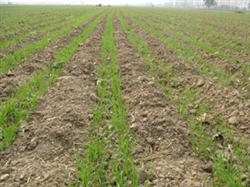
As for application, acetochlor is mostly applied as a soil spray after sowing and before emergence, and it can also be used before transplanting. Keeping the soil somewhat moist during application helps the herbicide take effect; when soil moisture is good, the chemical more easily forms a sealing layer on the soil surface, while under drought conditions shallow incorporation into the soil or supplemental moisture can improve the effect. The dosage must be adjusted according to soil texture, organic matter content and weather conditions, avoiding blindly increasing the dose.
Acetochlor can be mixed with some herbicides to broaden the weed-killing spectrum, but before mixing it with chemicals such as isoproturon, the compatibility requirements and crop safety should first be understood, and it is more reliable to test on a small area before extending the practice. During use, personal protection should be taken, the spray solution should be prevented from drifting onto nearby sensitive crops, and attention should be paid to keeping away from aquaculture areas; packaging and residual spray solution should be properly handled.
Related Reading