Hulled barley is barley with the husk attached: understanding the characteristics and uses of hulled barley
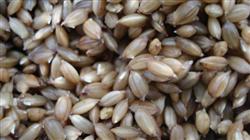
Hulled barley generally refers to hulled barley, one of the main types of barley, as opposed to naked barley; highland barley and naked barley both belong to naked barley. The most obvious difference between the two lies in their state after threshing: the husk of hulled barley sticks to the grain and is not easy to separate, so it is often called hulled barley. When people usually speak of barley, most of the time they mean hulled barley.
The grain of hulled barley is wrapped in an outer husk, and its test weight is relatively low, but the husk protects the grain and gives it better storage tolerance. Because it retains the husk, its crude fiber content is relatively high, and it tastes rather coarse when eaten directly, so it is mostly used for processing and as feed. In terms of spike type, hulled barley includes two-row, four-row, and six-row types, and most varieties have longer awns.
In terms of uses, the most common destination for hulled barley is brewing beer; the grain is germinated to make malt, which is the basic raw material for beer production. It is also an important feed crop, and its nutritional value varies with variety and cultivation conditions. In addition, some hulled barley can be processed into foods such as barley rice and barley tea, so its uses are relatively diverse.
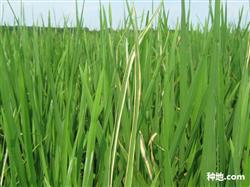
In terms of cultivation, hulled barley has strong adaptability and is relatively tolerant of saline-alkali and poor soils. Its growth period is generally shorter than that of wheat, which is beneficial for crop rotation. In production, it should be sown at the proper time, planted at a reasonable density, and fertilized in split applications according to soil fertility. In the middle and late growth stages, attention should be paid to preventing lodging and waterlogging damage, so as to promote full grain filling and obtain a better harvest.
Related Reading