How to Top-Dress Soybeans for Best Results? A Detailed Guide to Soybean Top-Dressing Methods
How to top-dress soybeans for best results? Here is an introduction to scientific top-dressing methods. Soybean top-dressing is generally divided into three applications: seedling fertilizer, flower fertilizer and pod-fill fertilizer. The detailed methods are as follows: Soybean seedling fertilizer: During the seedling stage, the root nodules are still forming and do not yet have nitrogen-fixing capacity. If nitrogen nutrition is insufficient, it will affect the development of strong...
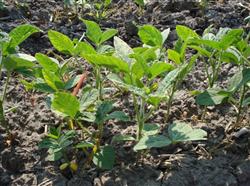 How to Top-Dress Soybeans for Best Results? Here Is an Introduction to Scientific Top-Dressing Methods
Soybean top-dressing is generally divided into three applications: seedling fertilizer, flower fertilizer and pod-fill fertilizer. The detailed methods are as follows:
Soybean seedling fertilizer:During the soybean seedling stage, the root nodules are still forming and do not yet have nitrogen-fixing capacity. If nitrogen nutrition is insufficient, it will affect the development of strong seedlings and early growth. Early application of seedling fertilizer can promote root and leaf growth. Generally, when the first trifoliate leaf unfolds, apply 4-6 kg of urea per mu. Applying an appropriate amount of phosphorus fertilizer at the seedling stage helps promote the formation and development of soybean root nodules; 8-10 kg of superphosphate can be applied per mu.
Soybean flower fertilizer: The flowering and podding stage of soybeans is the peak period of fertilizer uptake. At the early flowering stage, an appropriate amount of nitrogen fertilizer can be applied, which can reduce flower and pod shedding and increase yield by 15-20% per mu. Generally, 5-8 kg of urea per mu is applied in holes 5-7 cm from the soybean roots, and the soil is covered after application. If the soil is fertile and the plants are growing vigorously, apply less nitrogen fertilizer or none at all. If the base fertilizer was insufficient in phosphorus, 7-10 kg of superphosphate per mu can be applied as a supplement at this stage.
Pod-fill fertilizer:After soybeans enter the pod-setting and seed-filling stage, the nitrogen-fixing capacity of rhizobia and root activity gradually decline, and the ability to absorb nutrients weakens. At this stage, foliar spraying should be used to supplement nutrients and reduce flower and pod drop. Generally, 50 kg of a 0.3% potassium dihydrogen phosphate solution per mu is evenly sprayed on both sides of the leaves after 4 p.m. until evening, for 2-3 consecutive sprays. If nitrogen deficiency occurs, 0.5 kg of urea per mu can be added each time and sprayed together.
Causes of Shriveled Soybean Seeds
Methods to Increase Soybean Yield in Cultivation
Click to Get More Soybean Planting Techniques