Why do empty grains occur in soybean cultivation
Why do soybeans produce empty grains? How to prevent soybean empty grains? Please give an introduction. Soybean empty grains are mainly caused by: the decline of leaf function, resulting in insufficient photosynthetic products; or lack of water, which hinders the transport of nutrients. In the late growth stage of soybeans, the decline of various physiological functions is inevitable, but if nutrients and water...
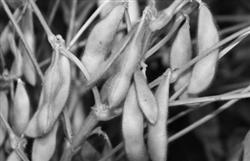 Why do soybeans produce empty grains? How to prevent soybean empty grains? Please give an introduction
Soybean empty grains are mainly caused by:The decline of leaf function, resulting in insufficient photosynthetic products; or lack of water, which hinders the transport of nutrients. In the late growth stage of soybeans, the decline of various physiological functions is inevitable, but if the supply of nutrients and water is insufficient, the decline will occur too early and too quickly, and the substances needed by the grains will be seriously insufficient, so some grains will stop developing and become empty grains. In addition, when the soil is relatively fertile, the base fertilizer and seed fertilizer are sufficient, and the soybean grows too vigorously in the early stage with luxuriant plants, excessive vegetative growth and lodging are also causes of empty grains.
Prevention and control methods for soybean empty grains:
1. Pay careful attention to field management in the later stage to prevent damage to plants from pests and diseases.
2. According to climatic conditions and soil moisture conditions, carry out timely irrigation and drainage. If soybeans suffer drought during the flowering and pod-setting stage, water should be applied through furrow irrigation in a timely manner; if there is continuous rainy weather, drainage should be carried out in a timely manner.
3. Supplement nutrients in a timely manner. The flowering, pod-setting and grain formation stage of soybeans is the peak period of soybean fertilizer demand. If the supply of nitrogen fertilizer and phosphorus fertilizer is insufficient at this time, soybean growth will be slow, flowering and pod-setting will be delayed, grain filling will be slow, and there will be many empty grains. Therefore, foliar fertilizer spraying should be carried out at this time, as the fertilizer effect is quick and the results are good. Generally, 200 grams of potassium dihydrogen phosphate and 50 grams of ammonium molybdate per mu are mixed with 50-60 kg of water and evenly sprayed on the leaves, which can increase soybean yield by more than 10%. If the leaves are pale yellow at this time, add another 500 grams of urea and spray the mixture, and the effect will be even better.
Methods for increasing yield in cultivated soybeans
The effect of pinching the growing tips of soybeans
Click to get more soybean planting techniques