Characteristics of Upland Rice and Introduction to Dryland Cultivation Techniques
Upland rice, also known as dryland rice, is an ecotype of cultivated rice (Oryza sativa) that developed over long periods in dryland environments; it belongs to the same rice species as paddy rice. It does not require a standing water layer in the field and can grow normally on dryland and sloping land relying on natural rainfall or a small amount of irrigation, so it is mostly distributed in hilly and mountainous areas lacking irrigation conditions.
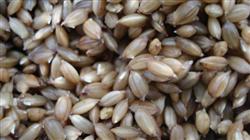
Compared with paddy rice, upland rice has a well-developed root system that penetrates deeper into the soil, a strong capacity for absorbing water and nutrients, and noticeably better drought tolerance, allowing it to germinate and grow in soil without a water layer. However, its tillering ability tends to be somewhat weak, and its yield level is usually lower than that of paddy rice grown with sufficient irrigation. Traditional upland rice varieties are rich in types, with grain ranging from white to red, and each has its own characteristics in taste and use.
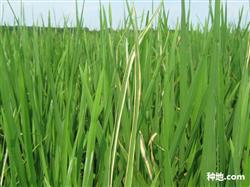
For planting upland rice, it is advisable to choose varieties with good drought tolerance that are adapted to the local climate, and direct seeding on dryland is mostly used. When preparing the land, deep plowing should be carried out to store soil moisture, and after sowing the soil should be properly compacted to ensure seedling establishment. The focus of field management is weed control; dryland rice fields have many kinds of weeds, so soil closure treatment can be carried out promptly after sowing, and manual pulling can be combined with this during the growing period. Fertilization should be based mainly on base fertilizer, with topdressing according to seedling condition, and in dry seasons even more attention should be paid to preserving water and nutrients.
Upland rice is an important staple food crop in water-scarce mountainous areas, and it is also a valuable resource for developing water-saving agriculture and breeding drought-tolerant varieties. Its pests and diseases are similar to those of paddy rice, and it may likewise be threatened by rice blast, sheath blight, and rice planthoppers; in dryland environments, attention should also be paid to the control of soil-dwelling pests and weed damage. Reasonable arrangement of crop rotation and selection of good preceding crops help reduce pests, diseases, and weeds and stabilize yield.
Related Reading