Mung Bean Cultivation Techniques: Key Points and Field Management Methods Explained
Mung bean cultivation techniques refer to the cultivation and management methods covering the entire process of mung bean production, from site selection and sowing to harvest. Mung beans have a short growing period and strong adaptability, and they tolerate drought and poor soil. They are one of the important minor grain crops, and mastering scientific cultivation techniques clearly helps improve seed quality and yield.
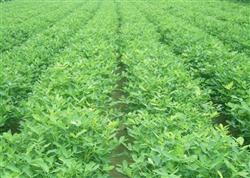
In terms of site selection and land preparation, mung beans should be planted on flat land with good drainage, and continuous cropping should be avoided. The best preceding crop is a cereal crop. Before sowing, plow deeply and prepare the land, and apply sufficient base fertilizer, mainly organic fertilizer combined with an appropriate amount of phosphorus and potassium fertilizer. Sowing time varies with the climate of each region; generally, sowing is carried out after soil temperature has steadily risen. Drill sowing or hole sowing is mostly used, and after sowing, pay attention to pressing the soil to preserve moisture.
During the field management stage, after the seedlings emerge, check the plants and fill in gaps promptly, and thin and finalize the seedlings to ensure a reasonable density. During the growing period, carry out intertillage and weeding, which can loosen the soil and promote root development. Mung beans tolerate drought but are afraid of waterlogging. They need more water during the flowering and pod-setting stage. If drought occurs, water promptly; after rain, pay attention to drainage to prevent root rot caused by standing water in the field. In fertilizer and water management, avoid excessive nitrogen fertilizer to prevent excessive vegetative growth and lodging.
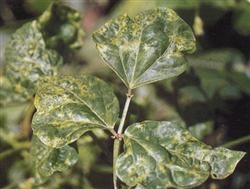
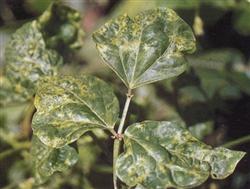
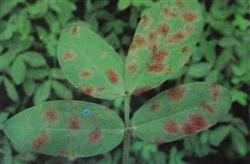
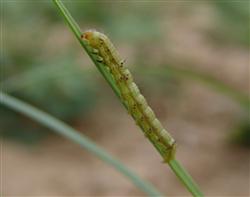
Pest and disease control is a key part of mung bean cultivation. Common diseases include zonate leaf spot, leaf spot, and powdery mildew, which mostly occur under high temperature and high humidity conditions. In production, prevention can be achieved by selecting disease-resistant varieties, practicing reasonable crop rotation, and promptly removing diseased plants and residues. In the early stage of disease onset, use targeted pesticides for control. For insect pests, attention should be paid to controlling aphids, bean pod borers, and others to reduce flower and pod drop.
Harvest when most pods on the plants turn dark brown and the seeds are hard. Mung bean pods often mature unevenly, so they can be picked in batches, or the whole plant can be harvested after most pods have matured, then sun-dried, threshed, and properly stored to ensure commercial quality.
Related Reading