Diverse Rice Crop Types with High Cultivation Value
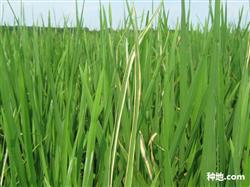
Rice crops are the collective term for annual herbaceous crops of the genus Oryza in the grass family (Poaceae), and they are also one of the world's important food crops, with many countries and regions relying on rice as a staple food. Classified by cultivation environment, rice crops can be broadly divided into two types: paddy rice and upland rice. Paddy rice is the most commonly grown and needs to grow in fields with a water layer; upland rice, also called dry rice, has strong drought tolerance and can be planted in plots lacking irrigation conditions.
Classified by grain traits and starch type, rice crops can also be divided into indica rice, japonica rice and glutinous rice. Indica rice is mostly distributed in warm southern regions, with slender grains and a soft texture after cooking; japonica rice has better cold tolerance and is suitable for planting in northern and high-altitude regions, with short, round grains and a relatively soft, sticky texture; glutinous rice is highly sticky and is often used to make traditional foods such as zongzi, tangyuan and nian gao.
Rice cultivation generally includes such steps as seed selection, seedling raising, transplanting or direct seeding, water and fertilizer management, and harvesting. During the growing period, it needs sufficient light and heat, and water management is especially critical. Common diseases in production include rice blast, sheath blight, bacterial leaf blight and white-tip nematode disease, while pests such as rice planthoppers, rice leaf rollers and striped stem borers are also relatively common. Integrated control should be carried out by selecting disease-resistant varieties, strengthening field management and using pesticides scientifically.
Besides being used as a staple food, rice can also be processed into various foods such as rice flour and rice wine; by-products such as rice husks, rice straw and rice bran can be used as feed ingredients, organic fertilizer or biomass energy, giving them high comprehensive utilization value. With the improvement of breeding levels, types such as high-quality rice and functional rice have continued to diversify, providing more choices for adjusting the planting structure.
Related Reading