An Introduction to the Characteristics of Xianning Osmanthus Varieties and Their Planting and Care Methods
Xianning osmanthus refers to the osmanthus produced in Xianning City, Hubei Province, and the distinctive local products formed around it. Xianning is located in southern Hubei, where the climate is mild and humid, rainfall is plentiful, and the soil conditions are suitable for osmanthus growth. It has a long history of cultivation and has long been known as the hometown of Chinese osmanthus. Osmanthus is widely planted locally and has become a calling card of Xianning.
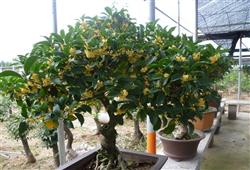
According to flower color and flowering habits, Xianning osmanthus can be roughly divided into variety groups such as golden osmanthus, silver osmanthus, red osmanthus, and four-season osmanthus. Golden osmanthus, silver osmanthus, and red osmanthus mostly bloom in autumn and have a rich fragrance, while four-season osmanthus can bloom in multiple seasons and has a relatively light scent. Locally, golden osmanthus and silver osmanthus are cultivated more extensively, and besides being enjoyed for their ornamental value, the flowers are often harvested for processing.
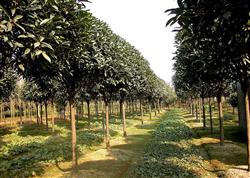
In terms of practical value, Xianning osmanthus is both an important ornamental and landscaping tree and a raw material for food and spice processing. Osmanthus can be used to make specialty foods such as osmanthus tea, osmanthus cake, and osmanthus honey wine, and can also be used to extract natural fragrances. At the same time, the cultivation of osmanthus seedlings has also driven the development of the local nursery industry.
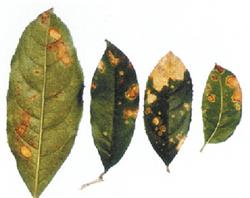
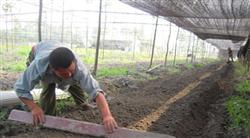
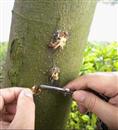
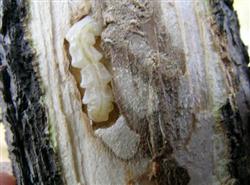
When planting Xianning osmanthus, cutting propagation is mostly used for reproduction, and the survival rate is closely related to the selection of cuttings, the growing medium, and humidity management. During the growing season, attention should be paid to preventing and controlling common pests such as scale insects and red spider mites as well as leaf diseases, while maintaining ventilation and light. If the flowers bloom without fragrance, it is often related to insufficient light, nutrient imbalance, or weakened tree vigor, and water, fertilizer, and care measures should be adjusted in time.
Related Reading