What are the precautions for transplanting osmanthus?
What should be noted when transplanting osmanthus? Experienced netizens are asked to help explain. If the transplanting method of osmanthus trees is improper, the survival rate of osmanthus trees will be low, thereby causing unnecessary losses. Zhongdi Network has compiled the key points to note when transplanting osmanthus, listed below for netizens to reference and learn from. First, the choice of transplanting season...
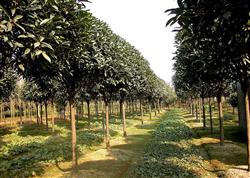 What should be noted when transplanting osmanthus? Experienced netizens are asked to help explain
If the transplanting method of osmanthus trees is improper, the survival rate of osmanthus trees will be low, thereby causing unnecessary losses. Zhongdi Network has compiled the key points to note when transplanting osmanthus, listed below for netizens to reference and learn from.
First, the choice of transplanting season:
If osmanthus is transplanted too early, the temperature is high, transpiration is large, the root system is easily damaged, and the ability to absorb water is weakened, often causing leaf drop or even death. Because most large osmanthus trees are transplanted from the south, if the time is too late and there is no transitional stage, they cannot adapt to the northern climate and are prone to freezing to death. Even if they survive, they are only a few skeletal branches, with sparse branches and leaves, failing to achieve the effect required by the project. Through exploration, the best time for large osmanthus trees in the Zhengzhou area is mid-November. At this time, the temperature begins to drop, transpiration is small, and the ground temperature is high, so the wounds of damaged roots heal quickly. At the same time, the roots can grow some fibrous roots, alleviating the lack of nutrient absorption capacity and ensuring that the osmanthus trees pass the winter smoothly.
Second,selection of trees for transplanting:
Choose osmanthus trees with a full tree shape, luxuriant branches and leaves, no pests or diseases, and that are easy to dig up and lift for transport.
Third, preparation before transplanting osmanthus:
1. Preparation of the planting pit:
About one week before transplanting, the tree pit at the new planting site should be dug. The diameter of the pre-dug tree pit should be about 1 m larger than the packaging diameter of the transplanted tree (to make it convenient for workers to operate inside the pit), and the height should be level with the height of the transplanting package. The excavated topsoil and subsoil should be placed separately, spread out to dry, and impurities such as bricks and tiles in the soil should be cleaned out. Then mix in ferrous sulfate at a ratio of 10:1 (soil as 10 parts), which increases the acidity of the soil, disinfects the soil, and also enhances fertility.
2. Pruning before transplanting osmanthus:
Pruning osmanthus is one of the keys to survival after transplanting. Because large osmanthus has weak sprouting ability, trunk truncation and branch truncation are not advisable. You can only prune the leaves of the osmanthus, cutting off the leaves with scissors while leaving the petioles, protecting the axillary buds, and retaining one third of the original number of leaves. This can both reduce water evaporation and preserve the beauty of the original crown.
Fourth, methods for lifting osmanthus seedlings and transport protection:
1. Methods for lifting osmanthus seedlings:
For transplanting osmanthus, hard packaging is best. For the osmanthus tree to be transplanted, water thoroughly once one week in advance so that its root system absorbs enough water. This makes it easy to dig into a ball and prevents the soil ball from breaking apart because the soil is too dry. The diameter of the soil ball should be 6 to 8 times the crown diameter at 1 m above the ground of the plant, and the height should be 70% of the soil ball diameter. If conditions permit, digging it larger is even better.
When digging, remove the surface soil at the base of the trunk and dig it into a regular square trapezoid according to the required diameter. The lower opening diameter is 1/3 of the upper opening diameter. The diameter of the dug soil ball should be 5 to 10 cm larger than the template diameter (so that the template can tighten the soil ball).
While digging the soil ball, prepare the template, threaded rods (made from threaded steel bars), iron wire, and so on, so that the soil ball can be packaged promptly after being dug. For the large roots that need to be cut off when digging the soil ball, saw them off with a hand saw; do not chop them with other tools. Treat the cut surfaces of the roots with a paste made from sulfur powder and ABT rooting agent at a ratio of 3:2. Once the soil ball is dug, quickly fasten the template and tighten it with the threaded rods. After the trunk is wrapped with straw rope, lift it for loading.
2. Transport protection for osmanthus:
When lifted onto the vehicle, osmanthus should be placed upright. The area around the soil ball should be packed tightly with original soil (the old soil from digging the soil ball) in woven bags, and the crown should be wrapped tightly with plastic film to prevent movement and swaying during transport.
Fifth, planting osmanthus and later management:
1. Planting osmanthus trees:
Before planting, backfill the pre-dug tree pit with 10 to 15 cm of original soil brought back with the transported osmanthus tree. Because osmanthus trees are not tolerant of waterlogging, the planting depth of osmanthus should be 10 to 15 cm higher than the original ground level.
First lower the osmanthus tree and place it according to its original growth orientation, then place one plastic pipe in each of the four corners of the tree pit to increase root breathability after the tree pit is filled with soil. Then, while removing the template in order, backfill soil to 1/3 of the soil ball height, filling original soil tightly around the soil ball, tamping one layer after each layer is filled to prevent the soil ball from breaking. After the tree pit is completely filled and tamped, build a berm, add support, and water thoroughly for the first time.
2. Management after transplanting osmanthus:
First, water thoroughly once again 3 to 4 days after the first watering.
Second, after the water has completely dried in the shade, place the remaining soil around the original tree pit around the roots to form a mound that is high in the middle and low around the edges, so that the osmanthus tree will not drown due to water accumulation.
Third, in the spring of the following year, be sure to water once with spring water.
Fourth, at an average temperature of about 20°C, use a mixed solution of potassium dihydrogen phosphate and fungicide (carbendazim, etc.) to spray the leaves and branches once every half month. This both applies foliar topdressing to the osmanthus tree and plays a sterilizing role.
Click to get more osmanthus tree planting techniques
Click to get more flower planting techniques