In Late Autumn, Osmanthus Fragrance Grows Stronger: Key Points for Osmanthus Blooming Season Care and Management
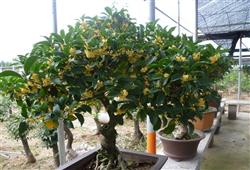
Osmanthus (osmanthus fragrans) is a traditional precious flowering tree in China, usually blooming in autumn. In late autumn, as temperatures turn cooler and the temperature difference between day and night increases, the fragrance of osmanthus often becomes richer and longer lasting. The scent of osmanthus is elegant and sweet, coming from aromatic compounds that continuously volatilize from the flowers. When temperatures are lower, the rate of volatilization slows, and the fragrance lingers longer in the air, which is why smelling osmanthus in late autumn is especially noticeable.
Common osmanthus can be divided into groups such as golden osmanthus, silver osmanthus, orange osmanthus and four-season osmanthus. Golden osmanthus has golden-yellow flowers and a rich fragrance; silver osmanthus has whiter flowers and a subtle scent; orange osmanthus has orange-red flowers and high ornamental value; four-season osmanthus can bloom several times a year, with a relatively light fragrance. The blooming periods of these varieties come one after another, and those still fragrant in late autumn are mostly late-blooming varieties.
If you want osmanthus to bloom vigorously and smell strongly in late autumn, you need to put some effort into care. During the growing season, ensure sufficient light, appropriately supplement phosphorus and potassium fertilizer before flower bud differentiation, and water so that the soil dries and then gets wet, avoiding waterlogging and excessive nitrogen fertilizer. After autumn begins, potted osmanthus can be placed in a sunny, ventilated spot, and before temperatures drop sharply, take care to protect it from cold and keep it warm.
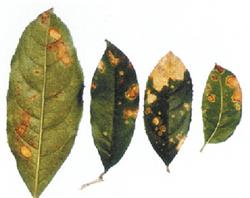
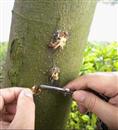
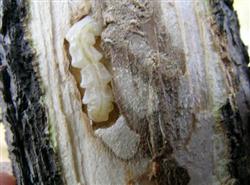
If osmanthus blooms but has no fragrance, it is most likely related to insufficient light, lack of nutrients or a weakened tree. You can adjust gradually according to the care conditions. Before and after the blooming period, also watch out for pests such as scale insects and red spider mites, as well as leaf spot diseases. Keep the environment ventilated and promptly clean up fallen leaves, so that osmanthus can fragrance on time every year.
Related Reading