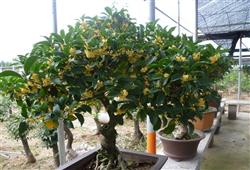
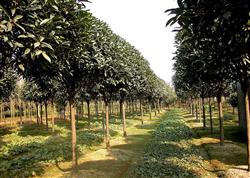
With proper care, four-season osmanthus can bloom multiple times, with a clear, elegant fragrance.
Four-season osmanthus is a cultivated variety group within osmanthus, named for its ability to bloom multiple times within a year; in some places it is also commonly called monthly osmanthus. Along with golden osmanthus, silver osmanthus, and red osmanthus, it belongs to the Oleaceae family as an evergreen shrub or small tree, with a compact form, dense branches and leaves, and a long ornamental period. It is suitable for courtyard planting and also very suitable for potted cultivation on balconies and in living rooms.
Compared with osmanthus varieties that bloom in autumn, four-season osmanthus has smaller flowers, mostly yellow-white in color, with a light and soft fragrance. Its greatest advantage is its scattered flowering period; as long as temperature and care conditions are suitable, flowers may be seen almost every month, which makes it very popular among home gardening enthusiasts.
To care for four-season osmanthus, place it in a sunny, well-ventilated position, and use loose, fertile, well-drained, slightly acidic soil. During the growing season, keep the potting soil moist but not waterlogged. Before and after flowering, appropriately supplement with phosphorus and potassium fertilizer. After flowering, promptly cut off spent flowers and overly dense branches, which helps it form buds and bloom again.
Four-season osmanthus is commonly propagated by cuttings. Select robust current-year branches, insert them into a loose, breathable medium, and maintain suitable humidity and temperature. Once rooted, they can be transplanted and cultivated. Grafting can also be used for propagation, and plants grown this way bloom relatively reliably after reaching maturity.
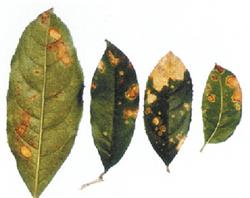
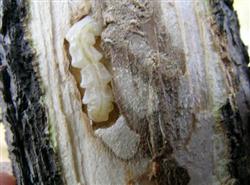
In routine management, pay attention to preventing and controlling common pests such as scale insects and red spider mites, and deal with them promptly once found so they do not affect growth and flowering. Some flower growers report that four-season osmanthus does not smell fragrant when blooming; this is mostly related to variety characteristics, insufficient light, or improper care. Ensuring sufficient light and reasonable water and fertilizer usually makes the floral fragrance more noticeable.
Related Reading