Camellia Plant Characteristics: A Detailed Guide to Morphological Features and Growth Habits
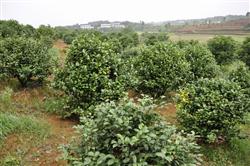
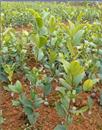
Camellia is an evergreen shrub or small tree of the genus Camellia in the family Theaceae, and it is also one of China's traditional famous flowers. The plant height is generally within a few meters, and after cultivation and pruning the plant form becomes more compact, with smooth branches and a crown that is mostly round-headed in shape. Its evergreen nature throughout the four seasons gives it good ornamental value even when it is not in bloom.
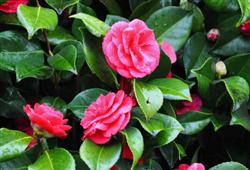
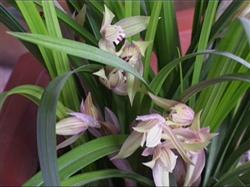
The leaves are an important feature for identifying camellia. The leaf texture is leathery, the surface is smooth and glossy, and the leaves are mostly elliptical or ovate, with fine serrations along the leaf margins and a deep green leaf color. The flowers usually grow singly or in pairs at the tips of the branches, and the flower forms are divided into single, semi-double and double; the flower colors are mainly red, pink, white and bicolor, and the petals are thick and firm, giving strong ornamental value.
In terms of growth habits, camellia prefers a warm and humid climate and is suitable for growing in a semi-shaded environment, avoiding long periods of exposure to scorching sun. It has relatively strict soil requirements, preferring loose, fertile, well-drained and slightly acidic soil; if planted in somewhat alkaline soil, it is prone to poor growth phenomena such as yellowing leaves. The plant is neither resistant to severe cold nor to intense heat, so attention should be paid to freeze protection in winter, while in summer it should be properly shaded and cooled.
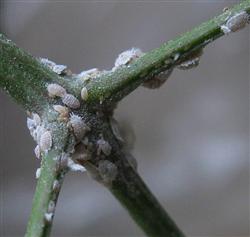
The flowering period of camellia is mostly concentrated in winter and spring, exactly when few flowers are in bloom, so its ornamental value is especially prominent. With advantages such as bright flower colors, a relatively long flowering period and evergreen foliage throughout the four seasons, it is often used for courtyard planting, park landscaping and indoor potted ornamental display. In daily care, paying attention to regulating light, water and soil acidity and alkalinity, and doing a good job of pest and disease control, are the keys to maintaining healthy plant growth.
Related Reading