Only with the right fertilizing method will camellias bloom abundantly
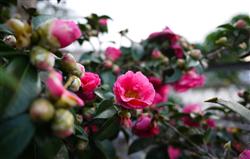
Camellias (Camellia japonica) like fertilizer, but their root systems are rather fine and weak and are quite sensitive to fertilizer concentration, so the core principle of fertilizing them is little and often with weak fertilizer. They are constantly forming flower buds, and whether the nutrient supply is sufficient directly affects the number of buds and the quality of the flowers, so fertilizing plays an important role in camellia care.
Looking at the seasonal rhythm, after the flowers fade in spring is the key period for replenishing fertilizer; at this time a dilute liquid fertilizer based mainly on nitrogen can be applied to help the plant recover its vigor and push out new branches. In late spring and early summer, when flower bud differentiation begins, you should gradually switch to a fertilizer with a higher phosphorus and potassium content to promote bud formation. During the high-temperature period in summer the plant's growth slows, so the number of fertilizer applications should be reduced and the concentration lowered. From autumn until before winter the flower buds continue to develop, and phosphorus and potassium fertilizer can continue to be added to make the buds fuller.
In terms of fertilizer choice, well-rotted dilute organic fertilizer such as cake fertilizer water can serve as a daily nutrient source, while special flower fertilizers or compound fertilizers make it easier to control the amount used. Whichever you use, it must be fully diluted before watering, to avoid the fertilizer liquid coming into direct contact with the roots. Potted camellias have a limited soil volume, so the principle of small amounts given many times should be adhered to even more firmly.
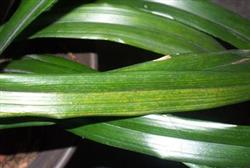
Overly concentrated fertilizer is a common problem, and it easily causes yellowing leaf tips, scorched edges, or even bud drop; once you notice this, you can pour large amounts of clean water through the potting soil to dilute the remaining fertilizer. Fertilizing is generally stopped during the flowering period so as not to shorten the blooming period. Camellias prefer acidic soil, and long-term use of alkaline fertilizer easily causes leaves to lose their green color and turn yellow; this can be corrected by occasionally watering with alum fertilizer water or a diluted ferrous sulfate solution.
Related reading