A Detailed Guide to Growing Calla Lilies, with Pictures and Videos
Calla lily is a bulbous flower of the Araceae family. Its leaves are ovate-arrow-shaped and bright green. Its flower stalk rises above the foliage, and the fleshy spadix is hidden inside the spathe; the spathe is horseshoe-shaped, white, yellow or pink, elegant and clean, fresh and graceful. Grown in pots, it offers both flowers and foliage to enjoy, with great ornamental value. The NaturePlanet has compiled...
Calla lily is a bulbous flower of the Araceae family. Its leaves are ovate-arrow-shaped and bright green. Its flower stalk rises above the foliage, and the fleshy spadix is hidden inside the spathe; the spathe is horseshoe-shaped, white, yellow or pink, elegant and clean, fresh and graceful. Grown in pots, it offers both flowers and foliage to enjoy, with great ornamental value.
The NaturePlanet has compiled the growing methods and points to note for calla lilies, listed below for readers' reference.
Soil selection for potted calla lilies:
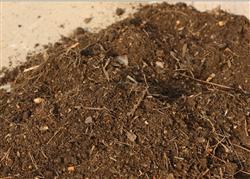
For potted calla lilies, the potting soil should be mainly sandy loam, mixed with 1/3 garden soil and 1/3 leaf mold, then blended with 1/5 organic fertilizer to grow colored calla lilies. Because its roots grow on the upper part of the bulb, the bottom layer of the potting soil should be lined with permeable, breathable cinder or coarse sand. Choose a shallow pot rather than a deep cylindrical pot. Whether the planting soil for calla lilies is sandy soil, loam or clay, it grows well at a pH between 6 and 7.5.
Suitable growing temperatures for calla lilies:
Calla lilies like a semi-shaded environment, so avoid placing them in strong light. The suitable growing temperature for calla lilies is 15-25°C, and in winter the indoor temperature must be kept above 10°C, otherwise the calla lily will grow more slowly or even stop growing. Calla lilies like warm, humid environments, so in winter special attention must be paid to keeping them warm.
Watering and fertilizing methods for calla lilies:
During the growing period, calla lilies need frequent watering, and in the morning and evening spray water on the ground around the pot to increase humidity; it is best to wipe the leaf surfaces with a water-moistened sponge every 5-7 days to keep the leaves fresh and clean. When the leaves are dense, thin them out promptly to help the flower stalks emerge.
From May to July, calla lilies enter dormancy, so water less and try to create a relatively dry environment for them; after all the leaves have turned yellow and withered, take out the corms and store them in a ventilated, cool place, then plant them again in pots in autumn.
Fertilizing calla lilies:Fertilizer can be decomposed cake fertilizer water; during the peak growing season, apply an additional dilute liquid fertilizer of mixed nitrogen, phosphorus and potassium about once every 10 days. When fertilizing, never pour the fertilizer water into the leaf sheaths, as this can cause rot. After calla lilies show buds, increase the amount of fertilizer to ensure a long flowering period, large and vivid flowers, and continuous buds with flowers year-round.
Tips:Applying ferrous sulfate as a top dressing can make calla lily leaves larger, thicker and greener, smooth and glossy, and keep the leaf stalks from elongating, thus keeping the foliage attractive. It also promotes bud formation and prolongs the flowering period. The specific method is: dilute ferrous sulfate into a 2% solution and apply it once every 1 month, watering thoroughly each time.
Light requirements for calla lilies:
Calla lilies like warm, humid and slightly shaded environments, but during the flowering period they need plenty of sunlight, otherwise the spathe will be tinged with green, affecting quality. Make sure they get 3 to 5 hours of light per day, otherwise the leaf stalks will elongate and reduce their ornamental value. Calla lilies are not very cold-hardy, so they must be moved into a greenhouse in mid-October. In summer, they need shading and frequent water spraying to cool down and retain moisture.
Pest and disease control methods for calla lilies:
Calla lilies do not have many insect pests. Within 7 to 10 days after each top dressing, spray twice with a mixture of organophosphorus insecticide and thiophanate-methyl or carbendazim at 500 times dilution.
The main disease of calla lilies is root rot. During the growing period, watch whether the leaves turn yellow; especially when the central leaves begin to turn yellow, drench the roots with dijunqing at 300 times dilution two or three times. When drenching, also drench the surrounding uninfected plants to control the spread of the disease. The causes are, first, improper watering when cutting flowers, and second, incomplete disinfection of the bulbs.
Points to note when growing calla lilies:
Note one:Because calla lilies enter dormancy in June-July, the best season for growing them is August-September.
Note two:February-April is the flowering season for calla lilies, so from February to April they must be given plenty of light to produce healthy flowers.
Note three:Calla lilies are toxic; they contain large amounts of calcium oxalate crystals and alkaloids, and accidental ingestion can cause symptoms such as drowsiness. This species is listed as a non-toxic plant in the Chinese Plant Atlas Database; its toxic parts are the tuber, spathe and spadix. Chewing a small piece of the tuber can cause swelling and pain of the tongue and throat.
Click to get more calla lily growing techniques
Click to get more flower growing techniques