What are some simple pest and disease control methods for orchid growing?
What are some simple pest and disease control methods for orchid growing? Please provide an introduction to the methods. Orchids have quite a few pests and diseases. For example, orchids grown at home are not convenient to treat with pesticides, so the following specifically summarizes methods for controlling orchid pests and diseases at home for reference: common orchid diseases include viral disease, southern blight, leaf...
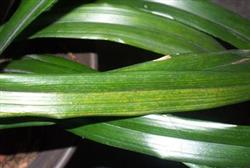 What are some simple pest and disease control methods for orchid growing? Please provide an introduction to the methods.
Orchids have quite a few pests and diseases. For example, orchids grown at home are not convenient to treat with pesticides, so the following specifically summarizes methods for controlling orchid pests and diseases at home for reference:
Common orchid diseases include viral disease, southern blight, and leaf spot disease. Prevention can start with improving cultivation conditions and strengthening daily care. In the early stage of onset, for viral disease spray with a 1000-fold aspirin solution;
for southern blight, mix 1 ampoule of chloramphenicol injection with 1 kg of clean water and pour it over the diseased plant, once a day, for 2 consecutive applications;
for leaf spot disease, spray with a 2000-fold penicillin solution, once every 2 days, for 3-4 consecutive sprays, which can have a fairly good effect.
The main orchid pests are scale insects, aphids, and red spider mites. If there are few scale insects on the orchid plant, remove them one by one with a toothpick or toothbrush; if there are many, spray and kill them with a 500-700-fold malathion solution. For aphids, spray with a 500-fold solution of 10% imidacloprid wettable powder, and the effect is very good.
I. Simple orchid pest control methods:
1. Aphids: use 5 grams of washing powder, add 1.2 kg of water, stir thoroughly, then spray, once every 3 days, for 2-3 consecutive applications, and the kill rate can reach 100%.
2. Snails: pour beer into a shallow dish and place it on the ground and on the potting soil. When snails smell the aroma of the beer, they will crawl into the dish by themselves and drown.
3. Ants: after crushing garlic cloves, dig 3-4 holes in the flower pot and bury them in the potting soil. After 2-3 days, the ants, as well as earthworms and nematodes, in the potting soil will be completely gone.
4. Red spider mites: light a mosquito coil containing pyrethrum and place it in the orchid pot, then seal the pot with a plastic cover, and fumigate for 1 hour, which can kill red spider mite egg masses and adults.
5. Scale insects: soak 500 grams of ripe neem tree fruit in 1 kg of water for more than 1 month, then take the liquid for use. In late spring and early summer, use a 1:1000 dilution for prevention; if small scale insects are found, immediately use a 1:500 dilution to kill them, once every 5 days, for 3 consecutive applications, and the small scale insects can be eliminated.
II. Simple orchid pest prevention methods:
1. Tobacco. The nicotine and nicotinic alkaloids in cigarettes can prevent and control pests such as aphids, red spider mites, stink bugs, and ants.
Preparation: 40 grams of native tobacco leaves or tobacco stems, add 1 kg of water, soak for 24 hours, filter, then add an equal amount of water to dilute, and add 2-3 grams of washing powder to dissolve (if using cut tobacco, the concentration can be a bit higher; adding washing powder both helps adhesion and also has an insecticidal effect).
If there is no weighing device, you can soak several paper-removed cigarette butts in about 30 times their amount of water, and after the water turns yellowish-brown, add a little washing powder to dissolve.
Filter the above liquid before use. Spray the front and back of the leaves. When the pest infestation is severe, immerse the affected parts of the flower in tobacco water for 1-3 hours, and at the same time soak the growing medium, which can effectively kill pests on the leaves and in the soil. The remaining tobacco water can be poured into ant nests or sprinkled around the pot to eliminate ants. Unsoaked cigarette butts buried in the soil can prevent and control small flying insects.
Precautions:
① It contains nicotine, so do not add vinegar, otherwise it will weaken the insecticidal strength.
② If washing powder is added, then rinse with clean water on the next day after spraying (or immediately after soaking).
③ If it is mainly used for the control of scale insects, it is best to add washing powder, or use washing powder alone.
2. Garlic. It can prevent and control pests such as aphids, red spider mites, scale insects, and nematodes, and can also prevent and control powdery mildew.
Preparation: take several cloves of purple-skin garlic produced in the north, peel them, mash them, add 10-20 times the amount of water to dilute, and after 24 hours filter out the residue.
Spray the leaves with the prepared liquid; pour the residue and the remaining liquid into the pot to prevent and control nematodes and scale insects.
Precautions: garlic juice has a certain viscosity. To prevent dust accumulation, the leaves can be rinsed several days later.
3. Chives. They can prevent and control pests such as aphids and red spider mites, and are even more effective against aphids.
Preparation and use: mash 500 grams of chives, add 1.25 kg of water, soak for a full day and night, then filter, take the supernatant, and spray consecutively 3 times every other day.
4. Onion. It can prevent and control pests such as aphids and red spider mites, and is even more effective against aphids.
Preparation and use: soak 20 grams of onion bulb scales in 1 kg of water, and after soaking for 24 hours it is ready to use. Spray consecutively 2-3 times within 1 week. To fully extract the active ingredients, it can be cut or mashed before soaking, and it must be filtered before use.
5. Hot pepper (dried red chili). It can prevent and control pests such as aphids, red spider mites, whiteflies, and stink bugs.
Preparation and use: ① Dry the hot peppers thoroughly in the sun, grind them into fine powder, add 50 grams of chili powder to 1 kg of water, boil for 10 minutes, then cool and filter. ② Take an appropriate amount of dried chili, add 20 times the amount of clean water, boil for 20 minutes, let cool, then filter. ③ Add 2.5 kg of water to 250 grams of dried chili seeds, boil for 30 minutes, let cool, then filter.
After moistening the leaves, dust with the powder; coarse powder can be sprinkled in small amounts on the pot surface; spray the leaves and spray the potting soil.
6. Plant ash. It can prevent and control aphids.
Preparation and use: soak 1 part plant ash in 5 parts water for 24 hours, then filter and spray. For prevention by the above method, generally once a month. It is best to use them alternately.
Click to get more orchid growing techniques
Click to get more flower growing techniques