Osmanthus Fragrance Drifts in the Autumn Wind: The Best Time to Admire Osmanthus Is When Autumn's Charm Is at Its Peak
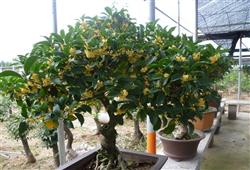
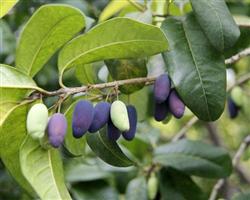
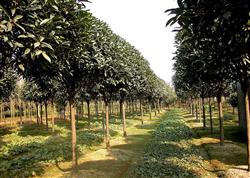
Osmanthus is a traditional autumn ornamental flowering shrub in China, blooming one after another each year as the autumn wind rises and the summer heat fades. Its flowers are small and clustered in the leaf axils, with a rich, far-reaching fragrance, and there is a folk saying that osmanthus blooms fragrant in the eighth lunar month. The osmanthus tree stays evergreen year-round with a rounded shape, making it suitable both for planting in the ground in courtyards and for growing in pots on balconies for ornamental enjoyment.
Osmanthus is roughly divided by flower color and blooming period into varieties such as golden osmanthus, silver osmanthus, orange osmanthus, and four-season osmanthus. Golden osmanthus has golden-yellow flowers and a relatively strong fragrance, silver osmanthus has whiter flowers with a light, elegant scent, orange osmanthus has orange-red flowers and strong ornamental value, while four-season osmanthus can bloom multiple times but its fragrance is relatively mild. Planting different varieties together allows you to enjoy the fragrance and flowers continuously from early autumn to late autumn.
If you want osmanthus to bloom fragrantly in autumn, pay attention to a few points in daily care. Osmanthus prefers a sunny, well-ventilated environment; insufficient light tends to produce only leaves and no flowers, and even if it blooms, the fragrance will be weaker. Watering should follow the principle of watering when dry and letting it dry between waterings, avoiding long-term water accumulation in the pot, and around the flowering period you can appropriately supplement phosphorus and potassium fertilizer to promote flower bud differentiation and blooming.
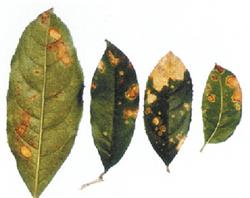
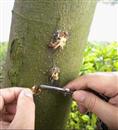
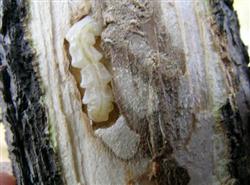
Osmanthus is not only beautiful and fragrant; its flowers can also be used to make foods such as osmanthus tea, osmanthus cake, and osmanthus honey, giving it a very wide range of uses. In autumn management, also watch for common pests such as scale insects and red spider mites, and deal with them promptly once found. If flowering occurs but lacks fragrance, it is mostly related to insufficient light, lack of nutrients, or the characteristics of the variety, and you can adjust your care methods accordingly.
Related Reading