Lianzhou Is Filled with the Fragrance of Osmanthus Throughout the City, and Autumn Is the Perfect Time to Admire Osmanthus
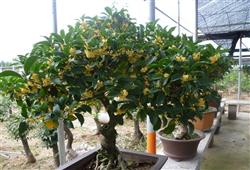
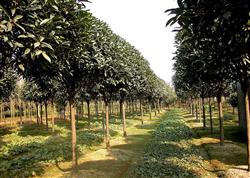
Lianzhou is located in the northwest of Guangdong Province and is under the administration of Qingyuan City. Whenever the osmanthus blooming season arrives, the osmanthus trees on city streets, in parks and green spaces, and in residents' courtyards bloom one after another, with tiny flowers covering the branches and a sweet, mellow fragrance filling the air with the wind, creating the distinctive scene of osmanthus fragrance throughout the city and attracting many residents and visitors to stop and admire it.
Osmanthus is an evergreen small tree or shrub in the Oleaceae family. Its flowers are small and dense, clustered in the leaf axils. Common cultivar groups include golden osmanthus, silver osmanthus, orange osmanthus, and four-season osmanthus, with flower colors ranging from pale yellow to orange-red. Osmanthus mostly blooms in autumn, and if the flowering period meets clear, cool weather with a large temperature difference between day and night, the fragrance often becomes even richer and longer lasting.
Osmanthus throughout the city is not only a beautiful sight in urban landscaping but also carries a strong flavor of everyday life. The osmanthus tree is evergreen year-round with an upright form, making it suitable as a street tree and a garden ornamental tree; in addition to being enjoyed for its flowers, the blossoms can also be used to make traditional foods such as osmanthus tea, osmanthus cake, and osmanthus honey, combining ornamental and practical value.
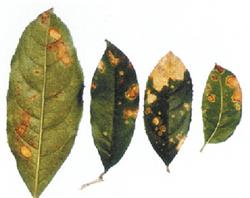
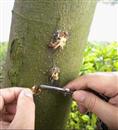
If you want to grow osmanthus well at home, you should provide ample light and loose, fertile, well-drained, slightly acidic soil, water it by letting the soil dry between waterings, and avoid waterlogging in the pot. When osmanthus is in a hot, humid, and poorly ventilated environment, it is prone to pests such as scale insects and red spiders, as well as leaf diseases. Usually keep the environment well ventilated, deal with pests and diseases promptly when found, and new plants can also be propagated by cuttings, grafting, and other methods.
Related Reading