Key Points for Growing Chrysanthemums: Start with Soil, Light, Water and Fertilizer
The chrysanthemum is a traditional famous flower of our country, with fairly strong adaptability, but if you want to grow it with a well-balanced plant shape and abundant blooms, there are quite a few points to pay attention to during the growing process. The key points are mainly concentrated in the areas of soil, light, water and fertilizer, and pest and disease control; mastering them well can save you a lot of trouble.
As for soil, chrysanthemums like loose, fertile, well-drained sandy loam, and dislike heavy, waterlogged plots; for pot cultivation, you can mix leaf mold with garden soil and river sand. Light must be sufficient; the chrysanthemum is a short-day plant, and during the growing season it needs plenty of sun for the plant to grow sturdy, but in the high heat of summer, shade it appropriately to avoid scorching the leaves.
In water and fertilizer management, follow the principle of watering when dry and letting it dry between waterings; avoid long-term standing water in the pot, otherwise root rot easily occurs. Fertilize with dilute applications applied frequently; in the early growth stage, mainly use nitrogen fertilizer to promote the growth of branches and leaves, and after entering the bud stage, increase phosphorus and potassium fertilizer, which helps produce large, brightly colored flowers.
Pinching and shaping also cannot be neglected. Appropriate pinching and topping during the growing season can promote side branches, control plant height, make the plant shape fuller, and also increase the number of flowers.
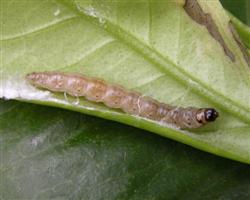
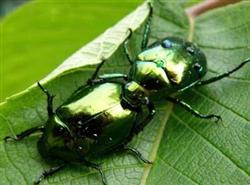
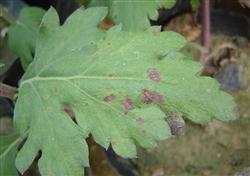
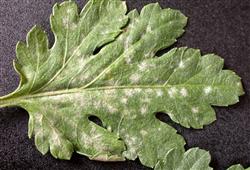
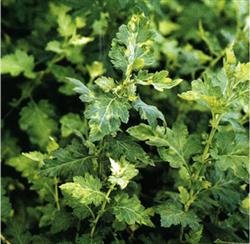
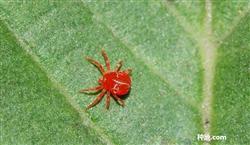
Pest and disease control must not be relaxed. Common chrysanthemum pests include cotton bollworm and scarab beetles, as well as diseases such as powdery mildew. Usually pay attention to ventilation and light penetration, promptly clean up diseased leaves and leftover branches, and once signs of pests or disease are found, take targeted control measures as early as possible to avoid spread and expansion.
Related Reading