Chrysanthemum Cultivation Techniques and Pest and Disease Control Methods
What pests and diseases need to be controlled when growing chrysanthemums? Please introduce the control methods. Chrysanthemum diseases: The common diseases of chrysanthemums mainly include black spot, powdery mildew and fusarium wilt. In the Shenzhen area, the most serious disease harming chrysanthemums is black spot. The disease starts on the lower leaves of the plant. In the early stage of infection, small brown spots appear on the leaves, then...
What pests and diseases need to be controlled when growing chrysanthemums? Please introduce the control methods
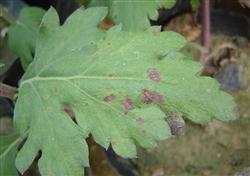
Chrysanthemum diseases: The common diseases of chrysanthemums mainly include black spot, powdery mildew and fusarium wilt. In the Shenzhen area, the most serious disease harming chrysanthemums is black spot. The disease starts on the lower leaves of the plant. In the early stage of infection, small brown spots appear on the leaves, which then expand into round, oval or irregular lesions; in severe cases the leaves turn black and die. The disease can occur throughout the entire growing period of chrysanthemums, with autumn chrysanthemums being affected more severely, and it is even more likely to occur in hot, rainy weather. In the early stage of powdery mildew infection, small yellow spots appear on the leaves, which then gradually expand and merge into patches; the diseased areas become covered with a white powdery mold-like substance, namely the fruiting bodies of the pathogen. Severely infected leaves become distorted and deformed, turn yellow and drop off, with more occurrences in spring and summer. Fusarium wilt: The aboveground leaves of affected plants first appear lighter in color and lose their luster, becoming slightly wavy and drooping. The base of the stem swells slightly and turns brown, the epidermis becomes rough with occasional cracks, and in severe cases white mold-like substances grow in the cracks. The roots are damaged, turning black and rotting, and the root hairs fall off. Harmful substances secreted by the pathogen destroy the host cell tissues and block the vessels, impeding the water supply, so the plant quickly wilts and dies. The disease occurs more severely in summer.
The common pests of chrysanthemums are aphids and red spider mites. Aphids are the main pest of chrysanthemums. The affected parts of the plant grow slowly, and the leaves curl and become deformed. Severely affected plants turn yellow and deformed, and the flower buds cannot develop normally. In Shenzhen, the peak occurrence periods are from April to May and from September to October, with the most severe damage to autumn chrysanthemums. Large numbers of aphids cluster on the tender shoots, flower buds and undersides of leaves of chrysanthemums, causing major losses to chrysanthemum production. Red spider mites mostly occur in hot, dry seasons, lurking on the undersides of leaves and piercing and sucking the leaf sap, causing the leaves to dry, turn yellow and die. During the flowering period they harm the flower buds, causing the flowers to wither quickly.
To carry out integrated pest and disease control for chrysanthemums well, there are three key points:
1. Strengthen fertilizer and water management, cultivate robust plants, and improve disease resistance.
2. Give priority to prevention. Usually, in conjunction with the production season and weather changes, apply pesticides in a timely manner and use integrated control. In terms of pesticide use, adopting a mixed application method can achieve better control results. For example, mixing Haoshengling with chlorothalonil, or Haoshengling with ridomil, has a good control effect on chrysanthemum black spot and fusarium wilt. Some insecticides can also be mixed with fungicides, which can achieve the effect of controlling both pests and diseases while saving labor. In addition, applying furadan granules in holes in the potting soil of chrysanthemums has a relatively long-lasting control effect on piercing-sucking pests.
3. Apply pesticides early, and observe frequently in daily care. Once signs of pests or diseases are found, immediately apply the appropriate pesticide, which often achieves better results. Once overlooked, applying pesticides only after the pests and diseases have become severe often yields twice the effort for half the result, and greatly reduces the growth vigor and ornamental value of chrysanthemums.
Click to get more chrysanthemum cultivation techniques
Click to get more flower cultivation techniques