What varieties of chrysanthemum are there? An introduction to common chrysanthemum varieties
The chrysanthemum is a perennial herbaceous plant of the genus Chrysanthemum in the family Asteraceae, and it is also one of China's traditional famous flowers, with a long history of cultivation. Through long-term artificial selection and breeding, chrysanthemums have developed rich and diverse variety resources, and different varieties differ noticeably in flower color, flower form, flowering period and plant type, with different ornamental and application values.
By flower size, chrysanthemums can generally be divided into three categories: large chrysanthemums, medium chrysanthemums and small chrysanthemums; by petal form, they are further distinguished into flat petals, spoon petals, tube petals, cassia petals and so on, and common flower forms include the ball type, rosette type and flying type. As for flower color, besides the common yellow, white, pink and purple, there are also green and dark varieties that are nearly ink-colored, which are highly ornamental.
In practical use, chrysanthemums include varieties grown mainly for ornament, such as desk chrysanthemums suitable for potted display, as well as shaped cultivars such as large standing chrysanthemums and pagoda chrysanthemums, and there are also varieties grown mainly for medicinal use and tea, such as Hangbaiju, Gongju, Chuju and Boju, which are often used for steeping in water or as medicine, with very wide uses.
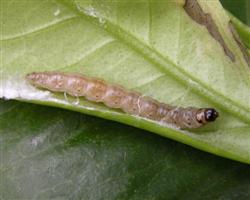
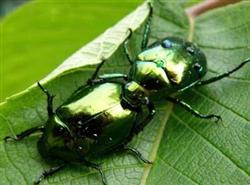
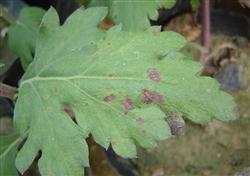
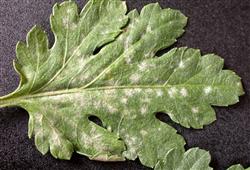
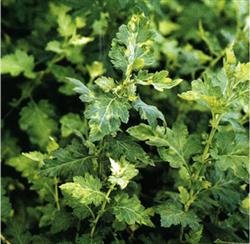
Chrysanthemums prefer an environment with ample light, coolness and good ventilation, and dislike waterlogging. During the growing period, water and fertilizer management should be done well, and the tips should be pinched in time to encourage branching, so that they bloom profusely. In cultivation, attention should also be paid to the prevention and control of pests and diseases; common ones include cotton bollworm, scarab beetles, aphids, as well as powdery mildew and brown spot, and early detection and early treatment should be achieved to ensure healthy plant growth.
Related Reading