An introduction to chrysanthemum variety classification: get to know the common chrysanthemum types
The chrysanthemum is one of China's traditional famous flowers, with a long history of cultivation. Through long-term selection and breeding, an extremely rich group of varieties has been formed. The so-called classification of chrysanthemum varieties means systematically grouping the many chrysanthemum varieties according to standards such as flowering period, flower diameter, petal type and use, so as to make identification, cultivation and promotion easier.
According to flowering period, chrysanthemums can be divided into summer chrysanthemums, autumn chrysanthemums and cold chrysanthemums, among which autumn chrysanthemums are the most common, mostly blooming in autumn, while cold chrysanthemums can keep blooming into early winter. According to flower size, there are large chrysanthemums and small chrysanthemums: large chrysanthemums have huge flowers and strong ornamental value, while small chrysanthemums have dense branches and leaves and are often used to arrange flower beds or make bonsai.
Classification by petal type and flower form is a relatively detailed method within variety classification, usually divided into categories such as flat petals, spoon petals, tube petals, osmanthus petals and irregular petals. On this basis, they can be further subdivided into many flower forms such as lotus form, peony form, hydrangea form and dragon-claw form, and the morphological differences between the different types are very obvious.
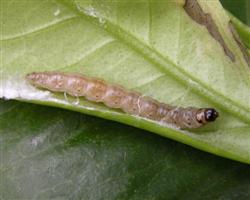
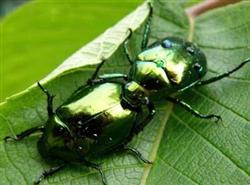
According to cultivation method and use, there are also types such as single-stem chrysanthemum, multi-head chrysanthemum, desk chrysanthemum, cliff chrysanthemum and large standing chrysanthemum, each suited to different ornamental settings. After understanding variety classification, arrange water, fertilizer and light according to the growth habits of each variety, and at the same time pay attention to preventing and controlling common pests such as cotton bollworm and scarab beetles, so that chrysanthemums can grow robustly and bloom abundantly.
Related reading