Controlling Southern Blight in Chrysanthemums Requires a Combination of Effective Measures
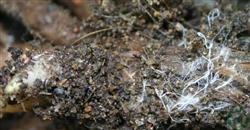
Southern blight of chrysanthemum is a fungal disease that mainly affects the stem base and roots of chrysanthemums, and it occurs most often in environments with high temperatures, frequent rain and damp soil. In the early stages of the disease, white silky mycelium appears at the stem base near the ground; later, small brown sclerotia resembling rapeseeds form on the mycelium, and the affected area gradually rots. Infected chrysanthemum plants often show yellowing leaves and weak growth in the aboveground parts, and in severe cases the entire plant wilts and dies.
The sclerotia of southern blight can survive in the soil for a long time, and continuous cropping plots, poorly drained heavy clay soil and slightly acidic soil are more prone to the disease. The pathogen can also spread through rainwater, irrigation water and farming operations, and can be carried with infected seedlings, so reducing the source of inoculum from the start is essential.
Control should be based on agricultural measures. Before planting, plow deeply and expose the soil to the sun, combined with soil disinfection, and use disease-free, vigorous seedlings; practice crop rotation and avoid continuous cropping with susceptible crops such as peanuts and tomatoes; use raised bed cultivation, ensure good drainage, control the amount of watering and avoid keeping the soil overly wet for long periods. For slightly acidic plots, an appropriate amount of lime can be applied to adjust the soil and create an environment unfavorable to the growth of the pathogen.
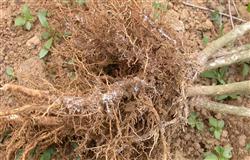
Once diseased plants are found in the field, they should be dug out immediately together with the roots and taken out of the field along with the diseased soil for centralized disposal, and the planting holes and surrounding soil should be disinfected. In the early stages of the disease, a suitable fungicide can be used to drench the roots and the surrounding soil to control the spread of the pathogen. In routine management, promptly remove diseased plant residues and keep the garden well ventilated and exposed to light, and the incidence of southern blight in chrysanthemums can be significantly reduced.
Related Reading