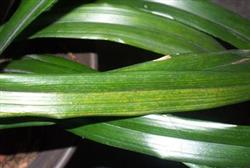
The main propagation methods for the golden camellia include cuttings, sowing, and grafting.
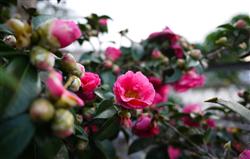
The golden camellia is a rare plant in the genus Camellia of the family Theaceae, named for its golden-yellow petals, and it has high ornamental value. Because wild resources are scarce, artificial propagation has become an important way to expand its population, and common methods include cuttings, grafting, sowing, and layering.
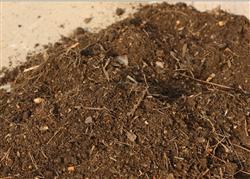
Cuttings are a relatively commonly used method: generally, vigorous semi-lignified branches are selected as cuttings, the upper leaves are retained, and they are inserted into a loose, airy, well-drained medium. After insertion, pay attention to shading and moisture retention, and keep the environment warm and humid; after a period of time they will take root. Cutting-propagated plants can better maintain the characteristics of the mother plant, but rooting is relatively slow and requires patient management.
For grafting, vigorous camellia or oil tea is often selected as the rootstock, and the scion is taken from a superior mother plant; methods such as cleft grafting or cut grafting are used, and after grafting the union is tied with plastic film to retain moisture and kept in a semi-shaded place for care; after it survives, it is moved to normal management. Sowing is suitable for cultivating a larger number of seedlings; seeds should preferably be sown soon after collection, and appropriate treatment before sowing can increase the germination rate, but seedlings grown from seed grow relatively slowly and flower relatively late.
Care after propagation is equally crucial: during the seedling stage, direct strong light should be avoided, the soil should be kept moist but not waterlogged, and attention should be paid to ventilation and disease prevention. The golden camellia prefers a warm, humid environment and acidic soil; by managing temperature, humidity, and light well, the survival rate of propagation can be effectively improved.
Related Reading