Key Points of Osmanthus Cultivation Techniques Explained: Master the Methods and Easily Grow a Healthy Osmanthus Tree
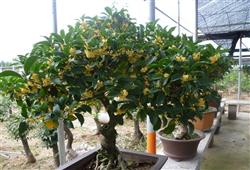
Osmanthus (Osmanthus fragrans) is a traditional ornamental woody plant in China, evergreen all year round, blooming in autumn with a rich fragrance, and is deeply loved by growers. Osmanthus prefers a warm and humid climate with ample light, and can also tolerate slight shade. It is suitable for planting in loose, fertile, well-drained, slightly acidic soil. Mastering these growth habits is the foundation for successful cultivation.
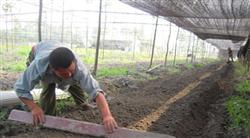
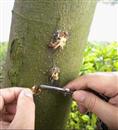
Osmanthus is commonly propagated by cuttings. During the growing season, select healthy semi-lignified branches for cuttings; after insertion, maintain humidity and provide appropriate shading, and the survival rate is relatively high. When planting in the open ground, choose a good plot, apply sufficient base fertilizer, and water thoroughly after planting to settle the roots. During the growing period, keep the soil moist but not waterlogged, and pay attention to timely drainage during the rainy season to avoid root rot.
Osmanthus likes fertilizer. Around spring sprouting and before flowering, apply one round each of decomposed organic fertilizer to promote the growth of branches and leaves and flower bud differentiation. In daily care, pay attention to pruning, promptly removing dead branches, diseased branches, and overly dense branches to keep the crown well ventilated and lit, which is conducive to abundant flowering. Potted osmanthus should also be repotted regularly, and attention should be paid to cold protection and warmth in winter.
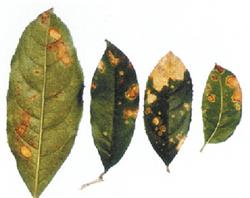
Common problems during cultivation include few flowers and flowers without fragrance, which are mostly related to insufficient light, improper fertilization, or an overly dense crown, and can be gradually improved by checking against management measures. Osmanthus is also susceptible to pests such as scale insects and red spider mites, as well as diseases such as leaf spot. Usually, ventilation management should be strengthened, and after pests and diseases are found, corresponding pesticide control should be taken promptly so that osmanthus can grow robustly and bloom all over the tree.
Related Reading