Osmanthus has high edible value, and these common ways of eating it are worth trying
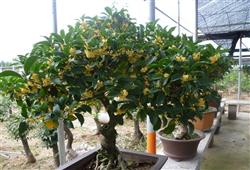
Osmanthus is not only a common ornamental flowering tree, but also a traditional edible flower in China, with a clear, sweet and mild fragrance. Since early times it has been used to make all kinds of tea snacks and drinks. Among them, Jingu (golden osmanthus) and Yingui (silver osmanthus) have a rich fragrance and are relatively commonly used edible varieties, suitable for making osmanthus foods at home.
There are many ways to eat osmanthus. The simplest is to brew osmanthus tea; just steep dried osmanthus in hot water and the fragrance is pleasant. It can also be made into osmanthus sugar or osmanthus honey, used to spread on pastries or to flavor sweet soups, with a distinctive flavor. In addition, traditional ways of eating it such as osmanthus cake, osmanthus tangyuan, and osmanthus wine are widely popular, especially common in the Jiangnan region, and are classic ingredients in many specialty snacks.
Fresh osmanthus eaten directly has a somewhat astringent taste, so it generally needs simple processing before being eaten. After picking the flowers, first remove impurities such as leaves and flower stems, rinse gently with lightly salted water, and after drying, preserve them by sugaring or low-temperature drying. After processing, the astringency of the osmanthus is reduced, the fragrance is easier to release, and it is also easier to store for a long time.
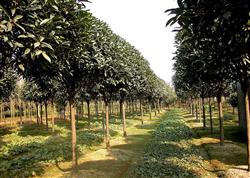
There are also a few points to note when eating it. Osmanthus trees used for roadside landscaping may have been sprayed with chemicals and are also polluted by dust and exhaust, so they are not suitable for picking and eating; it is best to choose osmanthus grown specifically for food. People sensitive to pollen should try a small amount the first time and enjoy it normally only after confirming there is no discomfort. Osmanthus is mostly used as an ingredient, so adding an appropriate amount is enough; there is no need to overdo it.
Related reading