Key Points of Field Management Methods: Fertilization, Irrigation, and Pest and Disease Control Techniques
Field management methods refer to a series of technical measures taken around soil, water and fertilizer, plants, and pests and diseases during the period from sowing or transplanting to harvest. They run through the entire process of crop growth, directly affecting the level of yield and the quality of the crop, and are one of the most basic and most critical links in agricultural production.
In terms of content, field management mainly includes intertillage and weeding, fertilization and irrigation, plant adjustment, and pest and disease control. Intertillage can loosen the soil, raise the ground temperature, and inhibit weed growth; fertilization and irrigation should be carried out in stages according to the fertilizer and water requirements of the crop at different growth stages, so as to achieve balanced supply, neither drought nor waterlogging, and avoid excessive application at one time causing root burn or excessive vegetative growth.
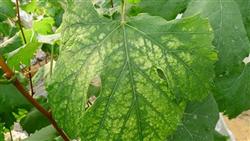
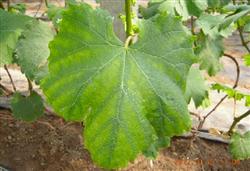
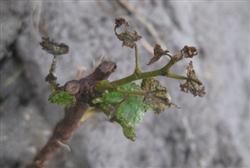
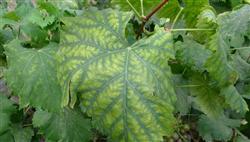
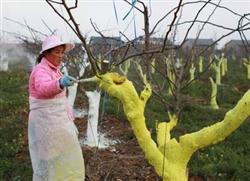
Plant adjustment is especially important in fruit tree and vegetable production. For example, apple trees need reasonable pruning to develop tree shape and balance the relationship between vegetative growth and fruiting, while grapes need timely pinching and flower and fruit thinning to reduce small berries and flower and fruit drop. In addition, nutrient deficiency is also a common physiological problem in the field. Deficiencies of zinc, boron, calcium, magnesium, and others all show obvious symptoms on leaves and fruit, and should be corrected in time through foliar spraying or soil improvement.
In actual production, field management should also adhere to the principle of prevention first and integrated control, frequently inspecting the field and detecting signs of pests, diseases, and nutritional abnormalities as early as possible. Each region should flexibly adjust the plan according to local climate, soil conditions, and planted varieties, and implement each measure at the corresponding growth stage, so as to achieve stable yield, high quality, and high efficiency.
Related Reading