Autumn and Winter Cabbage Planting Techniques and Key Field Management Points
Autumn and winter cabbage planting refers to the cultivation method of Chinese cabbage sown in autumn and harvested or stored in winter. During this period, the temperature difference between day and night is large and the temperature gradually drops, which helps the cabbage form tight heads and a sweet, crisp taste; combined with relatively lighter pest and disease damage, it is an important vegetable source for winter and spring in many regions.
Variety selection should be arranged flexibly according to the local climate and marketing time. Early-maturing varieties have a short growing period and are suitable for early sowing and early harvest in autumn; mid- and late-maturing varieties have strong cold tolerance and form large, tight heads, making them more suitable for storage through the winter. In cold regions, varieties with low-temperature tolerance and resistance to soft rot should be selected to avoid losses caused by low winter temperatures.
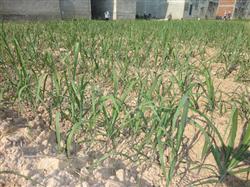
In terms of field management, autumn-sown cabbage should be sown at the appropriate time, and the soil should be kept moist after sowing to promote uniform emergence. After thinning and final singling, topdressing should be carried out in time; the rosette stage and head-forming stage are peak periods of water and nutrient demand, so nitrogen fertilizer should be applied with irrigation and potassium fertilizer appropriately supplemented to promote full development of the leaf heads. After winter begins, watering should be gradually reduced to prevent excessively high field humidity from causing disease or freeze damage.
Common problems mainly include downy mildew, soft rot, and pests such as aphids and cabbage caterpillars. Control should be based on agricultural measures, including reasonable crop rotation, timely drainage, and removal of diseased plant residues, combined with targeted pesticide application. After harvest, proper sun-drying before storage in cellars can extend the fresh-keeping period, allowing cabbage to overwinter safely and remain available for continued consumption.
Related Reading