Detailed Explanation of the Causes of Melon Blossom and Fruit Drop and Control Methods
Melons have a high sugar content, a sweet and delicious taste, and are rich in nutrients, making them a very popular fruit. Therefore, many fruit growers are also planting melons on a large scale. However, many problems often arise during the melon growing process, and blossom and fruit drop is one of them. So what causes melon blossom and fruit drop? And how should it be controlled? Below, the editor will give you a brief introduction. Let's take a look together!
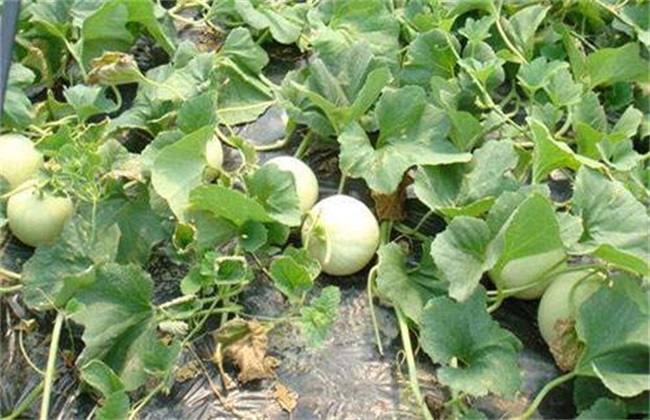
1. Causes of Blossom and Fruit Drop
Unstable Temperature and Humidity
Temperature and humidity are very important for the growth of melons. If the field temperature fluctuates too much during cultivation, or if the humidity is too high or too low, it will have a very large impact on the development of melon pollen. For example, under prolonged rainy and low-temperature weather, the plant's photosynthesis is hindered, nutrients become insufficient, and this naturally leads to blossom and fruit drop.
Improper Management
Improper management is also a main cause of melon blossom and fruit drop. During cultivation, if water and fertilizer management is improper, it will hinder melon flowering. In particular, poor growth of female flowers and weak resistance affect pollination. In addition, if planting is too dense, if nitrogen fertilizer is applied alone or excessively, or if pruning and training work is not done well, melons are very prone to excessive vegetative growth. This causes an imbalance between vegetative growth and reproductive growth, and insufficient nutrients lead to melon blossom and fruit drop.
Poor Pollination
Most female melon flowers are mainly bisexual flowers. Although nectaries are present and can attract bees for pollination, if there is prolonged rainy weather, then melons grown in greenhouses will lack bees and other insects to help with pollination. Moreover, in rainy weather, the activity ability of insects is relatively poor. In addition, reasons such as injury to the female flower stigma make poor pollination of female flowers likely. When female flower pollination and fertilization are poor, the ovary cannot expand, and naturally the blossom and fruit drop phenomenon occurs.
Excessive Fruit Set
Part of the reason for melon blossom and fruit drop is also excessive fruit set. A melon plant has a load range, and within this range, the melon fruits grow well. However, if this range is exceeded and fruit thinning is not carried out in time, then the fruits will drop due to insufficient plant nutrients or uneven nutrient distribution.
2. Control Methods
Because there are relatively many causes of melon blossom and fruit drop, doing a good job in controlling melon blossom and fruit drop requires targeted measures. First, we must do a good job with water and fertilizer, apply more base fertilizer, increase the proportion of farmyard manure, and combine it with an appropriate amount of fertilizers such as nitrogen, phosphorus, and potassium. Reasonably adjust the amount of fertilizer according to the melon's growth stage. Do not apply too much fertilizer, to avoid excessive vegetative growth, concentrate nutrients in the young fruits, and reduce the blossom and fruit drop phenomenon. Then pay attention to controlling temperature and humidity well, ensuring they remain within the suitable range for melon growth. Also do a good job in fruit thinning and pollination to ensure normal melon growth.
The above is a brief introduction to the causes of melon blossom and fruit drop and control methods. Melon blossom and fruit drop will have a great impact on melon yield, so everyone must pay much attention during cultivation. That is all for today's introduction. This article is for reference only. Thank you for reading and supporting.