Detailed Explanation of Field Management Techniques for the Horned Melon (Oriental Melon)
The horned melon is a variety of melon that has emerged in recent years. The horned melon has a very high sugar content, firm flesh, and is sweet and delicious. At present, the market demand for the horned melon in our country is very high, and the planting area is becoming more and more widespread. When planting horned melons, field management is very important. Therefore, today the editor brings you the key points of field management for the horned melon. Let's take a look!
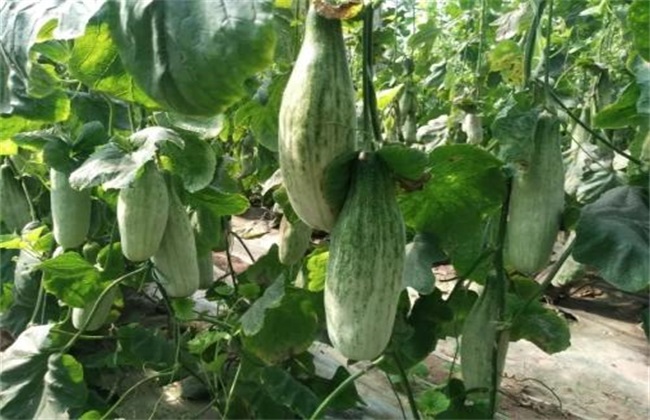
1. Temperature Control
After the horned melon is planted, because the soil temperature is relatively low, attention should be paid to maintaining the airtightness of the greenhouse. The main purpose is to raise the soil temperature as early as possible and promote the recovery of the horned melon seedlings. After the horned melon seedlings have recovered, do a good job of ventilation according to the weather and other conditions, and control the temperature at around 25°C. The temperature at night should also not be lower than 12°C. After the sun comes out, the plastic film can be appropriately uncovered, and the temperature should not be too high. When the temperature rises to around 30°C, ventilation work should be done well, and ventilation should be stopped after the temperature is lowered to around 27°C. Finally, during long periods of cloudy days or when a cold snap strikes, as long as the temperature does not exceed 37°C, do not ventilate, to prevent drafts from invading.
2. Fertilizer and Water Management
After planting, water appropriately once according to the soil moisture content. After that, do not water unless the soil is dry. When the young melon grows to about 12 cm, water lightly once on a sunny day, which can be done together with topdressing. After that, water about once a week according to the actual situation, control the amount of watering well, gradually reduce the watering frequency, and prevent the soil from being short of water. After the horned melon enters the full melon stage, appropriately apply compound fertilizer, water once a week, and then stop water and fertilizer work about one week before harvest. Be sure to control the amount well to prevent waterlogging and fertilizer damage, which would instead affect the growth of the horned melon and lead to the opposite of the desired result.
3. Plant Adjustment
The horned melon is a vining plant, so adjusting the plant is also a very critical management task when planting. Generally, single-vine pruning is the main method. When the horned melon grows to about 30 cm, start hanging the vines. When it grows to 22 leaves, carry out pinching, and pay attention to selecting the fruit-bearing vine well. After fruit set, also pay attention to doing the pinching work well, keeping about 3 melons per plant. Then keep the secondary vines for the second batch of melons. After the second batch of melons is harvested, appropriately pull up the plants to reduce the number of plants in the field, prevent them from competing for nutrients, and concentrate nutrients on robust plants.
4. Pest and Disease Control
Pest and disease control work is also very important. If pest and disease control is improper, it will reduce the number of flowers and fruits of the horned melon. When planting, we should pay attention to observing the growth of the horned melon. Timely remove old leaves, diseased leaves, and diseased fruits, and take them out of the orchard for disposal, to prevent the spread of pests and diseases and avoid increasing the affected area. Then do a good job of field management, with prevention as the main approach. When any abnormal situation is found in the plants, promptly identify the specific cause, and then use the corresponding chemicals and methods for treatment.
The above is a brief introduction to the field management of the horned melon. The planting and management methods of the horned melon are actually similar to those of ordinary melons, but more care is needed to protect your own planting benefits. That is all for today's introduction. This article is for reference only, and I hope it can help everyone!