Lettuce Growing Techniques: From Sowing and Seedling Raising to Transplanting Management and Pest and Disease Control
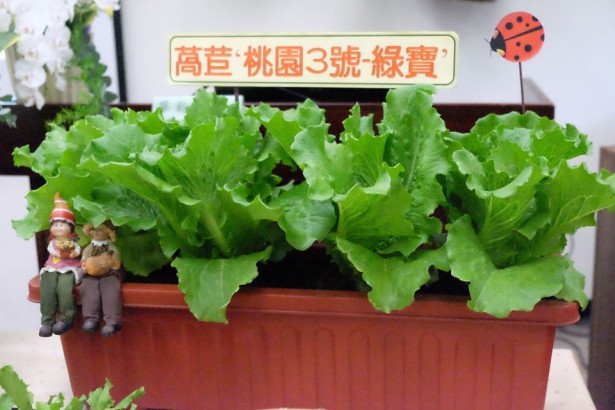
Lettuce is an annual or biennial herbaceous vegetable of the Asteraceae family. The celtuce commonly eaten as a stem vegetable belongs to stem lettuce, while lettuce and oilseed rape leaf lettuce belong to leaf lettuce. It prefers cool conditions and fears high temperatures, and is mostly cultivated in spring and autumn; under high summer temperatures it tends to bolt and grow poorly. To grow lettuce well, the key is to master the growing techniques for each stage.
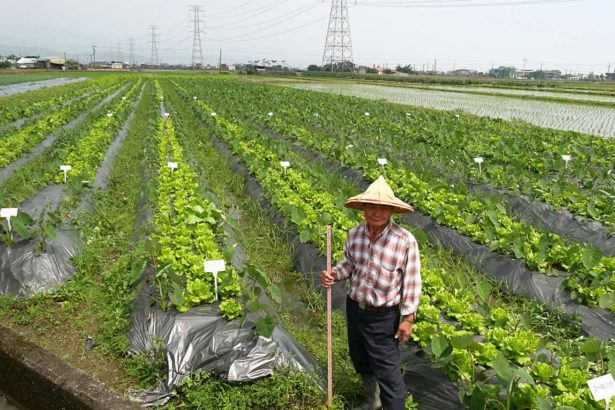
For growing lettuce, choose a plot with higher terrain, convenient drainage and irrigation, and loose, fertile soil, and apply plenty of thoroughly decomposed organic fertilizer as a base fertilizer while preparing the land. The seeds are small, so before sowing they can be soaked to promote germination; low-temperature germination can make emergence more uniform. After sowing, cover with a thin layer of soil and keep it moist. Once the seedlings have grown several true leaves, they can be transplanted, with spacing between plants and rows arranged flexibly according to variety characteristics and cultivation method.
Field management centers on water and fertilizer. In the early growth stage, keep the soil alternately dry and moist, avoiding excessive watering that causes excessive vegetative growth. Once the stem swelling stage begins, increase water and fertilizer supply, with topdressing mainly of nitrogen fertilizer supplemented appropriately with phosphorus and potassium fertilizer to promote thick, strong stems. Stem lettuce should be harvested when the stem has fully swollen and the height of the heart leaves at the top of the plant is level with the outer leaves; harvesting too early gives insufficient yield, while harvesting too late makes it prone to bolting and becoming old, with poorer taste.
As for pests and diseases, common lettuce diseases include downy mildew and soft rot, while the main insect pest is aphids. They can be reduced through crop rotation, controlling field humidity, timely drainage, and removing diseased plants; once disease occurs, targeted control should be carried out early. When growing on a home balcony, choose varieties tolerant of heat and bolting, use deeper containers, and ensure sufficient light, and you can likewise harvest lettuce of decent quality.
Related Reading