Treatment Methods and Prevention Key Points for Swine Influenza Explained
Swine influenza is an acute respiratory infectious disease of pigs caused by influenza A virus, and it often occurs under stress conditions such as sudden temperature changes, damp pens or long-distance transport. Affected pigs mostly show fever, coughing, runny nose, listlessness and reduced appetite. Although the disease spreads quickly through a herd, most pigs can recover with proper care.
At present there is no specific antiviral therapy for swine influenza, and treatment is mainly symptomatic and supportive. Once sick pigs are found, they should be isolated promptly, the pens should be kept warm, dry and well ventilated, and clean drinking water and easily digestible feed should be provided to help the pigs regain their strength as quickly as possible. If secondary bacterial infection occurs, antibiotics may be used under the guidance of a veterinarian to control the condition, but antibiotics have no effect on the virus itself, so they must not be used blindly or excessively.
During the nursing period, stress factors such as driving and moving pigs should be minimized, and feed intake and mental state should be closely observed to prevent the condition from worsening or spreading to the whole herd. For prevention, influenza vaccines can be administered according to the immunization schedule in light of local disease prevalence, and routine husbandry management systems such as daily disinfection and all-in, all-out production should be maintained. Attention should also be paid to balancing warmth retention and ventilation to reduce the risk of disease from the source.
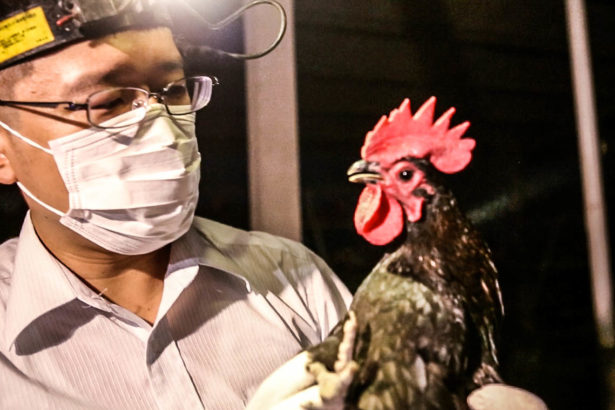
It should be noted that swine influenza virus and human influenza may cross-transmit, so keepers should take personal protective measures when handling sick pigs. If large-scale outbreaks or abnormal symptoms appear on a farm, a local veterinarian or animal disease prevention and control department should be consulted as early as possible for diagnosis and handling, so as to avoid delaying the opportunity by self-medicating.
Related Reading