The Silent War on Avian Influenza Has Been Safely Navigated; Lin Chuan: Prevention and Control Returns to Normal Operations
The Executive Yuan and the Council of Agriculture held the fifth meeting of the Central Avian Influenza Emergency Response Center this morning. Since two months have passed since the last case was reported, it was decided to disband the response center and return disease prevention work to normal operations. In response, the Council of Agriculture pointed out that in order to reduce the H5N2 and H5N8 outbreaks and prevent the H5N6 virus from becoming endemic, it will continue to promote enclosed and non-open farming models, and plans to establish sorting facilities to reduce cross-infection among poultry from different farms.
Lin Chuan: We Have Safely Navigated the Silent War
As to whether the outbreak is over, Executive Yuan Premier Lin Chuan pointed out that the government has "safely navigated the silent war and successfully passed the test," and we should feel fortunate that the work is finished. In addition, given the major outbreaks in Japan and South Korea last year, Taiwan's overall situation was relatively better, which can be attributed to clear overall policy objectives. The decision at the time to impose a seven-day transport ban took considerable courage but was entirely correct. Also, the fact that egg-laying hens and broiler chickens were not fully banned effectively softened the market impact. The Council of Agriculture deserves encouragement for this. Although the disaster response center is now disbanded and operations have returned to normal, the government will continue to remain vigilant.
Council of Agriculture Minister Lin Tsung-hsien pointed out that this time all ministries and agencies mobilized considerable manpower, and together with measures such as increased reporting and culling compensation, the implementation of transport and slaughter bans, and the requirement that ducks be marketed with inspection reports, the outbreak was successfully brought under control. In the end, there were only 12 H5N6 poultry farm cases and 41,000 poultry culled. Compared with South Korea's H5N6 outbreak, which saw nearly 900 cases and more than 30 million poultry culled within 3 months, Taiwan's situation was a low-level outbreak.
Lin Tsung-hsien: Has H5N6 Become Endemic? Expert Meeting to Be Held Soon for Assessment
Lin Tsung-hsien also stated that the last case was found on March 6, and since then more than two months have passed without any new cases, which is why consensus was reached to return disease prevention to normal operations. As for outside concerns about whether H5N6 will become endemic, he emphasized that it cannot be asserted at this stage, and an expert meeting will be convened soon for experts to assess.
At the same time, the Council of Agriculture pointed out that subsequent avian influenza monitoring and prevention work will continue. After inspecting many trading situations, it will plan sorting facilities in the future to reduce the risk of cross-infection among poultry from different farms, and will require the four branches under the Bureau of Animal and Plant Health Inspection and Quarantine to cooperate with local governments to investigate poultry farms without livestock farm registration certificates, with a projected completion of hundreds of audits within one month. In addition, production and marketing models will be adjusted, gradually guiding operators to transition to enclosed or non-open farming, and operators will be advised to avoid raising chickens of three generations - old, middle-aged and young - together, and to shorten the shipping time for native chickens to reduce infection.
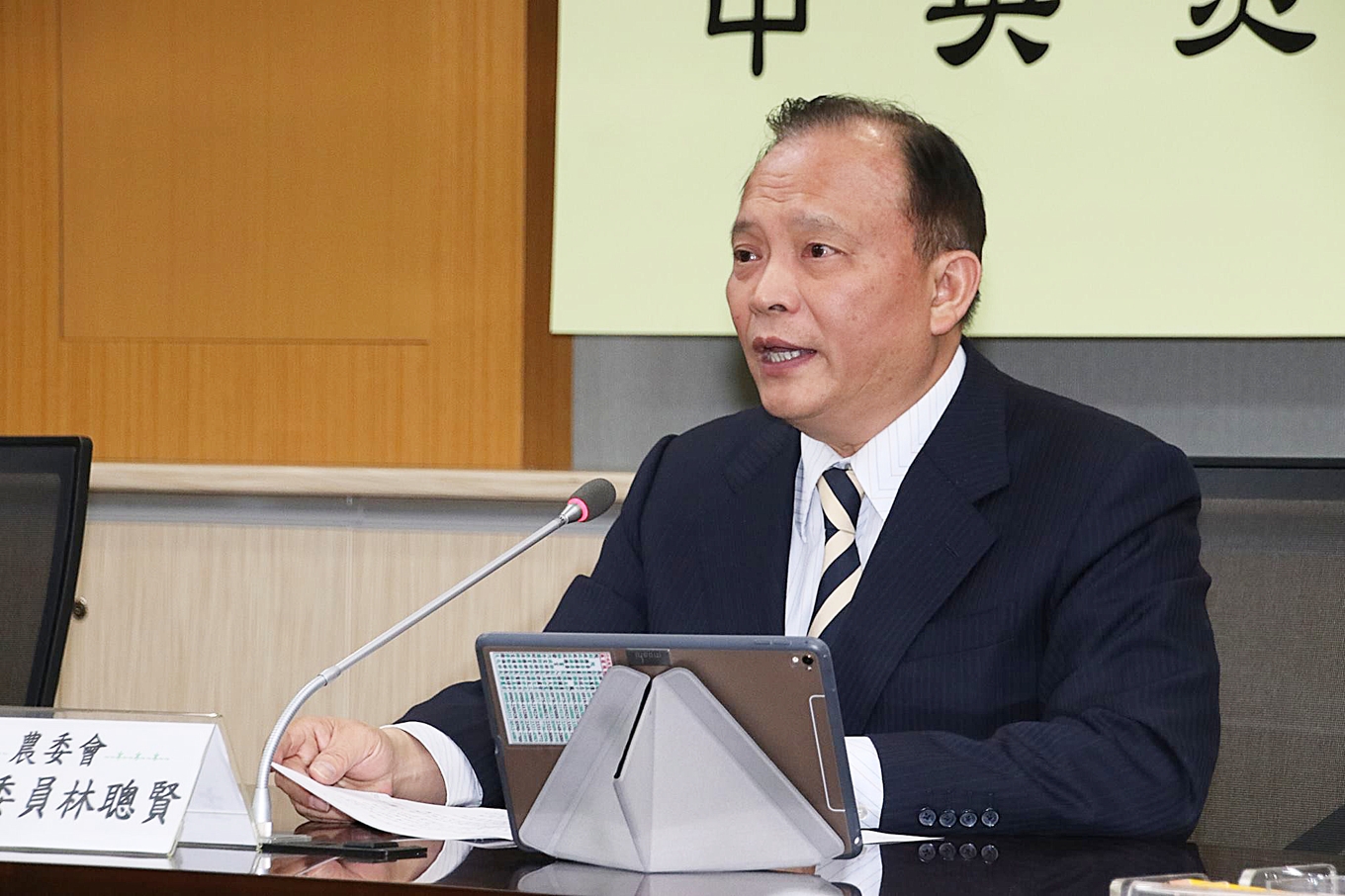
 Council of Agriculture Minister Lin Tsung-hsien (photo / Kung Te-lien)
For more professional agricultural technology information, please scan the QR code to follow WeChat: NongXunNET

Please indicate the source when reposting.