A detailed guide to taro cultivation techniques, from seed selection to harvest, easy to get started
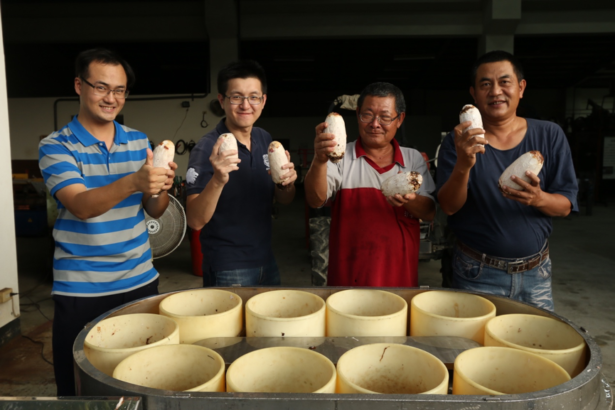
Taro is the underground corm of a plant in the Araceae family. It prefers a warm, humid climate and is widely cultivated in many parts of southern China. Its corms are rich in starch and have a soft, glutinous, fragrant and smooth texture. They can be used as either a staple food or a vegetable, can be eaten in many different ways, and enjoy stable market demand, making taro an economic crop that many farmers are willing to grow.
To grow taro well, choosing the site and selecting the seed are the first steps. It is best to choose a plot with deep, loose and fertile soil and good water- and fertilizer-retention capacity, and to avoid continuous cropping with crops of the same type in order to reduce soil-borne diseases. For seed taro, select robust daughter corms with plump apical buds, no disease spots and no damage. Drying the seed and pre-sprouting it appropriately before sowing can make emergence more uniform.
In terms of field management, the soil must be kept moist throughout the entire growth period of taro, especially during corm enlargement, when water must not be lacking. At the same time, take care to drain promptly after rain to prevent waterlogging and root rot. In the middle and late stages of growth, hill up the soil together with topdressing. This not only prevents the corms from being exposed above the ground and turning green, which affects quality, but also promotes the development of daughter corms, and it is a key step for increasing both yield and quality.
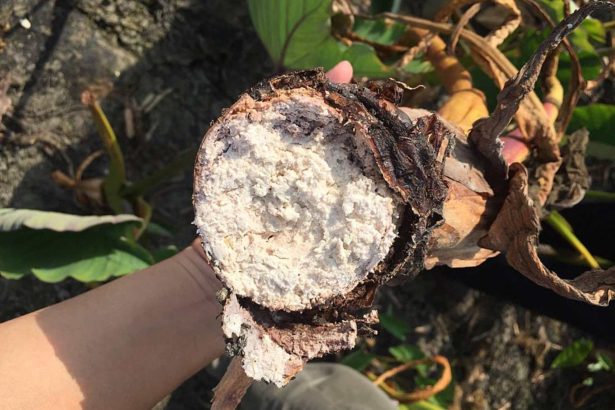
As for diseases, soft rot and taro leaf blight are the more common diseases in taro production, and they mostly occur under conditions of high temperature and high humidity. In production, prevention should be the main approach: carry out reasonable crop rotation, keep the field clean, and promptly pull out diseased plants. Once disease is detected, treat it with the right remedy as early as possible, which can effectively reduce losses.
When the taro leaves gradually turn yellow and wither and the corms are fully enlarged, the crop can be harvested. Harvesting should be done in fine, sunny weather, and movements should be gentle to avoid bruising the corms. After harvest, remove damaged and diseased taro, dry the surface moisture before storing, and they will keep longer and be easier to sell or process later.
Related Reading