Analysis of Persimmon Tree Cultivation Techniques and Key Points for Overwintering Care of Young Trees
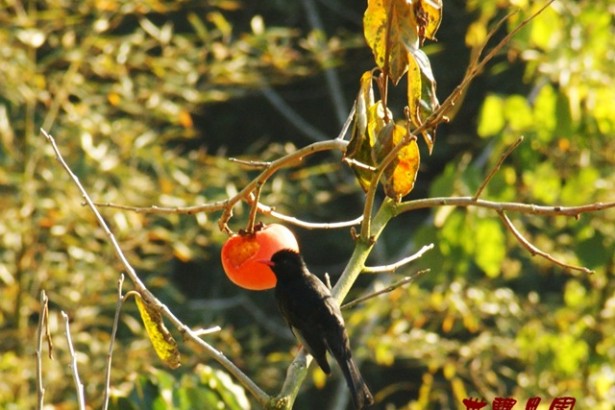
The persimmon tree is a deciduous tree of the genus Diospyros in the family Ebenaceae, and it is also a fruit tree with a long history of cultivation in China, widely planted in both the north and the south. Its tree form is upright, its leaves are broad and glossy, and in autumn the foliage turns red and the branches are laden with fruit, offering both ornamental and edible value, making it very suitable for courtyard planting.
In terms of varieties, persimmons are generally divided into two major categories: astringent persimmons and non-astringent persimmons. Astringent persimmons, such as the common Mopan persimmon and flat persimmon, need to undergo de-astringency treatment after harvesting before they can be eaten; non-astringent persimmons can naturally lose their astringency on the tree and can be eaten immediately after picking. The fruit color is mostly orange-yellow or orange-red, and the ripening period is mostly concentrated in autumn, with slight differences in timing from place to place depending on the climate.
In terms of cultivation, the persimmon tree has strong adaptability, is drought-tolerant and relatively tolerant of poor soil, and is not strict about soil requirements, but sunny plots with good drainage are best, and grafting is mostly used for propagation. Young trees have relatively weak cold resistance, so in northern regions measures such as whitewashing the trunk and mounding soil over the roots can be taken before winter to help them overwinter safely. After entering the fruiting stage, proper shaping and pruning along with water and fertilizer management will help maintain tree vigor and improve fruit quality.
Once ripe, persimmons can be eaten fresh or processed into products such as dried persimmons and persimmon vinegar, and the wood of the persimmon tree is hard and also has certain uses. Many production areas also hold persimmon-themed festivals during the harvest season, combining picking experiences with sightseeing to help fruit growers increase their income. In daily care, if problems such as fruit drop or pests and diseases occur, the causes should be identified promptly and corresponding measures taken.
Related Reading