A Detailed Guide to Loofah Cultivation Techniques: Mastering the Management Points from Sowing to Harvest
Loofah is an annual vining herbaceous crop of the Cucurbitaceae family, heat-tolerant and moisture-loving, and a common vegetable in summer and autumn in China. The tender fruit can be stir-fried or made into soup, and the mature fibrous skeleton can be used to make cleaning products or as medicine. To grow loofah well, you need to master the basic techniques for every stage from sowing to harvest.
Loofah prefers a warm climate, and its seeds require relatively high temperatures to germinate. Open-field cultivation is generally scheduled after temperatures rise steadily in spring, and either seedling transplanting or direct sowing can be used. Sunning the seeds and soaking them in warm water before sowing can speed up germination and improve seedling uniformity. It adapts to a wide range of soils, but deep, well-drained loam rich in organic matter is ideal. It should not be grown continuously on the same land; rotating with rice or other crops can reduce soil-borne diseases.
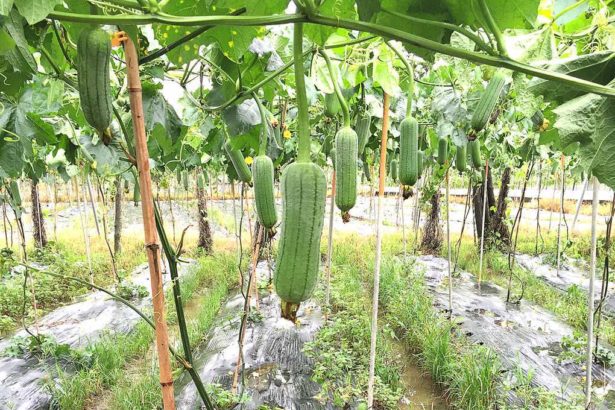
Loofah vines and leaves grow vigorously, so trellises should be set up promptly to guide the vines. In production, flat overhead trellises are mostly used, though A-frame trellises can also be used, so that the vines are evenly distributed and benefit from good ventilation and light. During the growing period, prune appropriately by removing overly dense old leaves and ineffective side vines. During the fruiting period, water and nutrient demands are high, so the soil should be kept moist; drought and water shortage can easily cause deformed fruits and flower and fruit drop, and topdressing should be applied frequently and lightly.
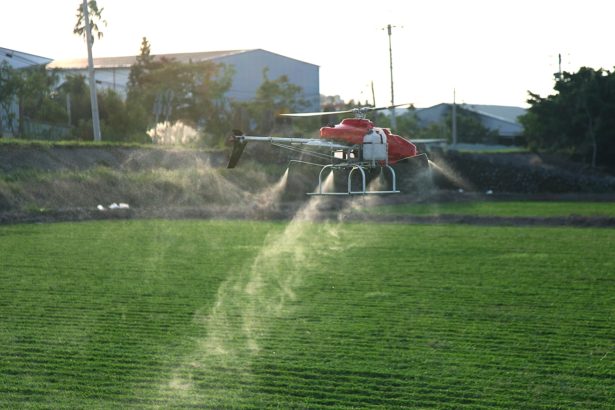
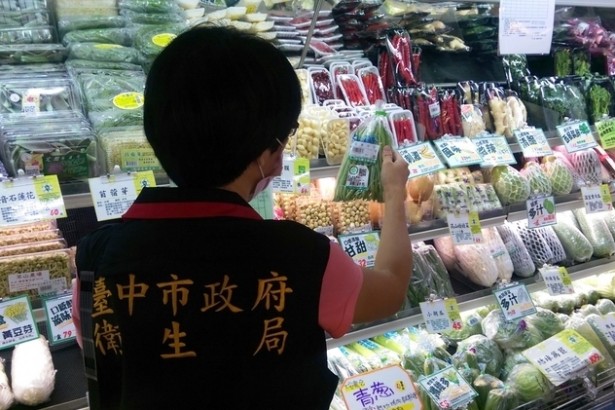
As for diseases, key prevention should target wilt disease, powdery mildew and downy mildew, while common pests include melon fruit fly and aphids. Prevention should be the priority; using vigorous seedlings or grafted seedlings, rational crop rotation and timely garden cleaning are all effective measures. Pesticides should be used according to the target pest and at the proper rate, with rotations between products, and the pre-harvest interval must be strictly observed to ensure that pesticide residues in the product meet standards.
Tender fruits should be harvested promptly in batches; they are usually at their best when the fruit has fully expanded, is bright green in color and feels tender. Frequent harvesting helps subsequent fruit set continue. If the goal is to harvest the fibrous skeleton, then fruits should be left to mature fully before harvesting. Overall, to achieve high yield and good quality in loofah, the key is to manage temperature, light, water and fertilizer well and to control pests and diseases, with all stages linked together, so that you get many fruits, straight fruits and continuous harvesting.
Related Reading