A Detailed Guide to Pak Choi Growing Techniques: Management Points from Sowing to Harvest
Pak choi is a common leafy vegetable of the genus Brassica in the family Brassicaceae, also known as bok choy or non-heading Chinese cabbage. With a short growing cycle and strong adaptability, it is one of the main vegetables in home gardens and field production. Pak choi growing techniques are a complete set of cultivation methods covering land preparation, sowing, water and fertilizer management, and pest and disease control.
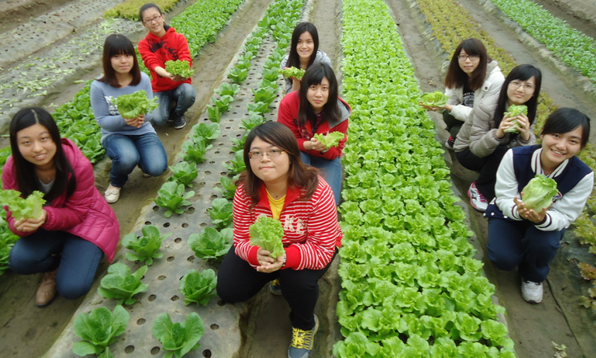
Before planting, choose a plot with loose, fertile soil and good drainage, plow deeply and sun the soil, and apply plenty of decomposed organic fertilizer as a base fertilizer. Sowing can be done either by direct seeding or by raising seedlings and transplanting. Spring and autumn have mild climates and are most suitable for pak choi growth; in summer, when temperatures are high, choose heat-tolerant varieties and provide appropriate shade, while in winter, mulching for insulation can extend production.
After sowing, keep the soil moist and water little but often. After seedlings emerge, thin them in time to ensure ventilation and light penetration between plants. For topdressing, mainly use nitrogen fertilizer and follow the principle of applying thin fertilizer frequently; proper water control before harvest helps improve quality. Common pests include cabbage caterpillars and aphids; give priority to physical control methods such as insect-proof nets and sticky traps, and minimize pesticide use.
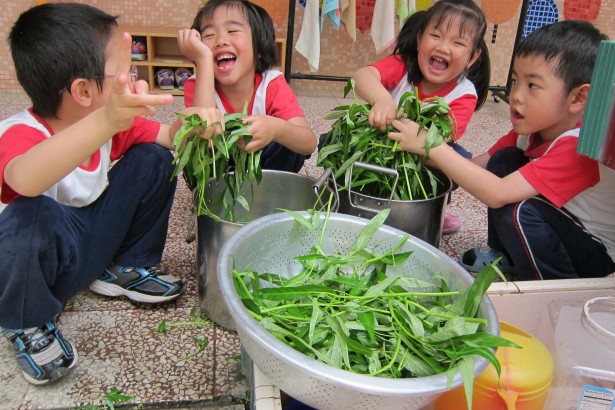
Once pak choi has grown to a certain size, it can be harvested gradually by thinning, preferably in the early morning or evening. After harvest, replenish water and fertilizer in time to promote continued growth of the remaining plants. If symptoms such as yellowing leaves or spindly growth appear, they are mostly related to excessive water, insufficient light, or imbalanced nutrients, and timely adjustments to management can restore them.
Related Reading