What Do Ladybugs Eat? Feeding Habits of Beneficial Insects and Their Agricultural Value
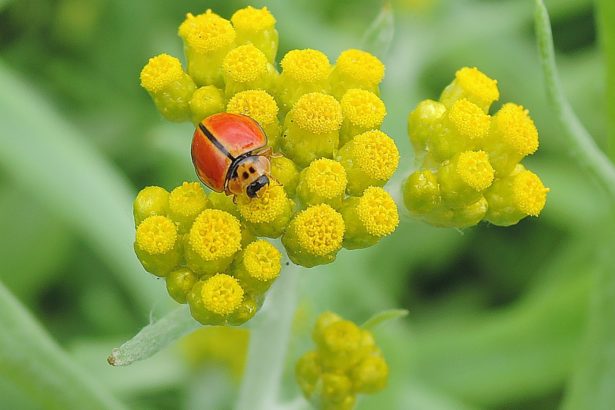
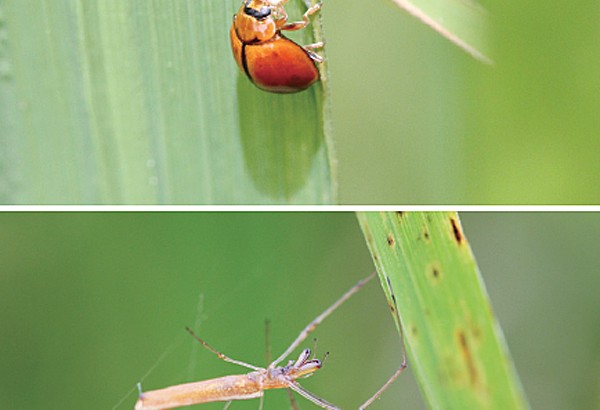
Most ladybugs are predatory insects, feeding mainly on small pests such as aphids, scale insects, whiteflies and spider mites, and they sometimes also eat the eggs and young larvae of other insects. Both adults and larvae are strong predators, and the larvae consume a considerable amount as well, so it is fair to say that ladybugs begin helping farmers clear pests right from the larval stage.
Not all ladybugs eat meat, however. A few species are herbivorous, feeding on plant leaves and tender stems; the well-known 28-spotted ladybug, for example, feeds on solanaceous crops such as potatoes and eggplants and is a target for control. Some ladybugs also feed on fungi such as powdery mildew, or take nectar and pollen as supplementary food, so their feeding habits differ markedly from species to species.
In agricultural production, ladybugs are important natural enemy insects and are often used in biological control. Compared with relying solely on pesticides, using ladybugs to control aphids and other pests is safer and more environmentally friendly. Many eco-farms plant hedgerows and wildflowers along field edges, or keep certain strips of weeds, to provide habitat and breeding sites for ladybugs and help stabilize natural enemy populations. Because ladybugs are relatively sensitive to environmental change, some places even use their population status as one of the reference indicators for assessing the ecological condition of farmland.
To judge whether a ladybug is beneficial, the most direct way is to observe what it eats: those that prey on aphids and other pests are generally beneficial insects, while those that gnaw on crop leaves should be treated with caution. If you need to temporarily care for a lone ladybug, you can provide plant stems and leaves carrying aphids as food, and once it regains its vigor, simply release it back into the field.
Related Reading