How to Eat Betel Nut: A Guide to Common Ways to Eat It and Precautions
Betel nut is the fruit of the betel palm, a plant in the Arecaceae family, mainly produced in tropical regions such as Hainan, Taiwan, China and Yunnan. When it comes to how to eat betel nut, customs vary greatly from place to place: there is the traditional chewing of fresh fruit, processed dried products, and even ways of using it as a vegetable in dishes.
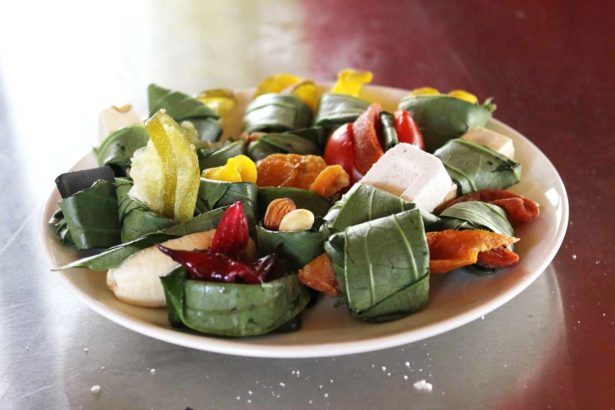
In places such as Hainan and Taiwan, China, the traditional way is to take unripe green nuts, cut them open, and chew the flesh together with betel leaf and lime. The taste is astringent at first and then sweet, and the juice chewed out is red and is usually spat out. Some people also sun-dry or smoke the green nuts into dried betel nut, which keeps longer and is easier to carry. In Hunan, what is popular is processed betel nut that has been cured, sliced and flavored with spices, mostly eaten as an everyday chewing snack.
Besides chewing, the betel palm also has parts that can go on the table. Betel palm heart refers to the tender young bud at the top of the tree; it is crisp and tender with a fresh, sweet taste, and in Hainan and Taiwan, China it is often stir-fried or boiled in soup. Betel palm flowers can also be used in dishes after processing, and in some places they are used in soup or cold salads, with a relatively mild flavor.
It should be noted that betel nut fiber is coarse and hard, and long-term chewing can easily wear down the oral mucosa. The International Agency for Research on Cancer has classified betel nut as a Group 1 carcinogen, and chewing is associated with an increased risk of oral lesions. Therefore, it is advisable to control the frequency and amount. If repeated oral ulcers, difficulty opening the mouth and similar conditions occur, medical attention should be sought as soon as possible, and pregnant women, children and people with a history of oral disease should avoid it even more.
When buying, you can distinguish by purpose: for fresh fruit tasting, choose ones with plump shape and green color; when buying processed betel nut, pay attention to intact packaging and complete production information. Because pesticide use in betel nut cultivation has drawn attention in recent years, buying through proper channels is relatively safer. No matter which way of eating you choose, understanding the source of quality and consuming in moderation is the more prudent attitude.
Related Reading