Why Has Betel Nut Been Stigmatized? The Truth Behind the Controversy
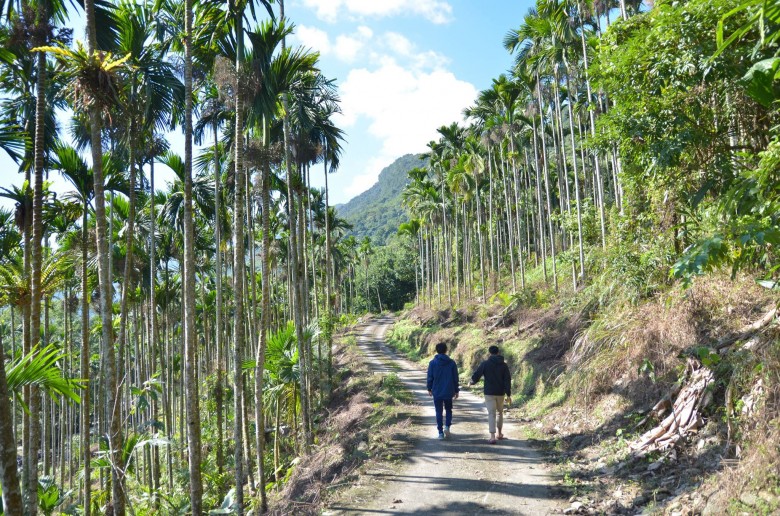


The article also mentions that if young people one day come back and want to plant, uprooting betel nut is very simple and quick. But how many young people, upon returning, would clear out the existing cash crops to do something else? Were it not for betel nut's "bad name," few young farmers would be willing to do so (the examples I know of are close to zero). Most people switch crops out of consideration for economic value. But as the article says, with a crop as highly profitable as betel nut, how many people are willing to switch?
Take a one-hectare field of guava trees (one jia). Which farmer would be willing, when that one jia of guava is growing perfectly well, to clear it out and plant other crops? Betel nut has not solved the problem of the outflow of young and middle-aged people. Moreover, from my own chats with friends who grow betel nut, when we talk about switching crops, perhaps the young people have the will, but most of the time it is their parents who object!
Betel nut cannot bring young people back to their hometowns; on the contrary, it restricts young people's freedom to farm if they return, and may even be one of the reasons driving young people to leave. Perhaps what it can address is that, because it is easy to grow, an aging labor force can still cope with it, yet it cannot summon young people back home.
Returning to the end of that article, the writer asks, "Is betel nut's soil and water conservation worse than that of tea plantations?" But we know that such an argument does not actually resolve the harm betel nut does to soil and water conservation. Have high-mountain vegetables and tea trees never been criticized for soil and water conservation problems? Of course they have. Reckless construction and reckless excavation of hillside land, of course, all exist. The problem of mudslides or soil and water conservation is never caused by a single factor alone, and betel nut is naturally among them; with such a question, the writer is in fact sidestepping the real issue of betel nut.
I must reiterate that what this article discusses is not about "banning betel nut," but about telling everyone that betel nut is not as wonderful as that article makes it out to be. They even concealed many things and did not discuss them, speaking only of its positive benefits and not its negative ones; the article even holds that it can solve the rural labor structure problem and solve social problems, which is utterly absurd. Moreover, regarding the consumption and supply sides behind betel nut, we can also ask: who eats the betel nut that creates hundreds of millions of yuan in "green gold" every year - whose money is being made? Into whose pockets does most of the money flow?
(Co-author / Luo Shiting)