Massive Bee Deaths in Puli, Nantou, China Suspected to Be Caused by Pesticide Spraying on Betel Nut Trees
Another bee disaster strikes! Recently, Puli, a major beekeeping town in Nantou, China, has reported mass deaths of farmed Western honeybees (Apis mellifera), leaving many beekeepers lamenting that all their hard work has gone to waste and pointing the finger at pesticides. They suspect that nearby betel nut trees are in bloom, prompting farmers to spray large amounts of pesticide into the air, which spread widely and caused the deaths of tens of thousands of bee colonies. As disasters continue to be reported in the area, the Beekeepers Association and the Miaoli Agricultural Improvement Station have both sent personnel to the site to investigate in order to confirm the extent and cause of the damage; as for whether the recently much-feared "fipronil" is to blame, agricultural authorities stressed that it will take time to confirm.
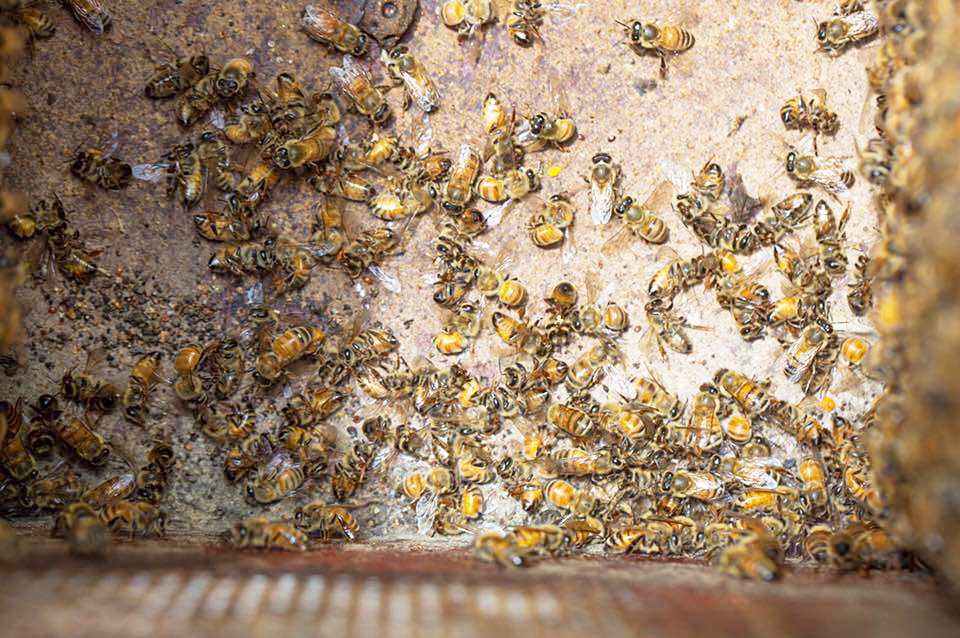
 Bee situation in Puli (photo provided by a beekeeper in central Taiwan, China)
Beekeepers Association Statistics: 4,880 Beehives Kept in All of Puli
Puli in Nantou is the hometown of water bamboo and also one of the major centers of the beekeeping industry. According to statistics from the Beekeepers Association, there are 36 registered apiaries in the Puli area with 4,880 hives, with annual output value of about NT$50 million to NT$80 million. Fortunately, some beekeepers had already moved to several tea-growing areas such as Wushe to collect tea pollen, so not all were affected by the chemicals.
15 Days Ago: Farmed Western Honeybees in Puli Began Showing Signs of Pesticide Poisoning One After Another
As for the extent of the damage this time? Pan Chien-ming, secretary-general of the Beekeepers Association, pointed out that about 15 days ago, bee deaths began to appear one after another in the Puli area. Based on the beekeepers' observations, this was likely caused by pesticide sprayed on betel nut trees to control pests and diseases. At this time last year, cases of pesticide poisoning of bees had also occurred, but this year's damage is more severe.
Damage Spreads; Beekeeper Laments: Almost All of Puli Could Not Escape
Beekeeper Liang, who reported the disaster first, said he keeps more than 200 hives, each with about 30,000 to 40,000 bees, and estimated the mortality rate at 50 percent, so dead bees could be seen all over the mountains and fields, at one point attracting flies to feed. The scene was unprecedented in its grimness. Another beekeeper surnamed Lo from Taoyuan Apiary further pointed out, "Almost all the bees in Puli have been poisoned (by pesticides)." He keeps about 100 hives, and even though he is located deep in the mountains, he still suffered a loss of one-tenth.
Mass Deaths of Western Honeybees; Beekeepers Suspect Pesticides Are to Blame
Looking into the cause, beekeeper Liang believes the insecticide fipronil is to blame. Beekeeper Lo further explained that in the past, right before the Mid-Autumn Festival, it was exactly the local betel nut flowering season, and farmers would spray pesticide upward with high pressure to control pests and diseases. This year's damage is especially severe; unless the bees are hiding in places with fewer betel nut trees, the damage is serious.
Miaoli Agricultural Improvement Station: Evidence Was Collected on Site Immediately; Whether "Fipronil" Is to Blame Still Needs Confirmation
Regarding the beekeepers' detailed accusations, Wu Tzu-hsien, head of the Sericulture and Apiculture Section of the Miaoli Agricultural Improvement Station, pointed out that they received a report from beekeeper Liang immediately yesterday, so the improvement station sent staff to inspect the site, and indeed found that local Western honeybees showed signs of pesticide poisoning. To confirm the overall situation in the area, today they will expand the scope of the investigation to determine how many bee colonies have died throughout Puli. In addition, the Miaoli Agricultural Improvement Station has already sampled bee carcasses for pesticide testing. Whether "fipronil" is to blame, as the beekeepers say, will still require some time to confirm.
With the beekeeping industry in Puli suffering repeated disasters, Chen Jui-ching, director of the Nantou County Agriculture Department, speculated that this year's bee deaths are related to pesticide use, so in the future education will be strengthened for farmers on safe pesticide use and environmentally friendly practices, and follow-up will also coordinate with the investigations of the relevant agricultural authorities.
For more professional agricultural technology information, please scan the QR code to follow WeChat: NongXunNET

Please indicate the source when reprinting.