Pellet feed is a compound feed made by pressing, with uniform nutrition and easy storage
Pellet feed refers to a granular compound feed made by crushing raw materials such as corn, soybean meal, wheat bran and pasture grass meal, mixing them according to a formula, and then subjecting them to conditioning, pressing, cooling and other processes. Compared with powdered feed, pellet feed has a regular shape and higher density, making it convenient to measure, handle and feed mechanically.
Steam conditioning during the pelleting process can partially gelatinize starch, which helps improve digestibility and also has a certain sterilizing effect, reducing harmful microorganisms in the raw materials. Pellet feed has uniform nutrition, making it difficult for animals to be picky, with little feeding waste, and dust is also significantly reduced, which is beneficial to barn hygiene and the respiratory health of livestock and poultry. In addition, it is small in volume and not prone to stratification, making storage and long-distance transportation more convenient than powdered feed.
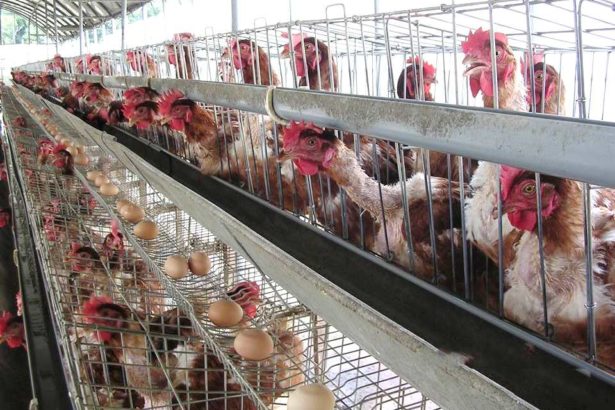
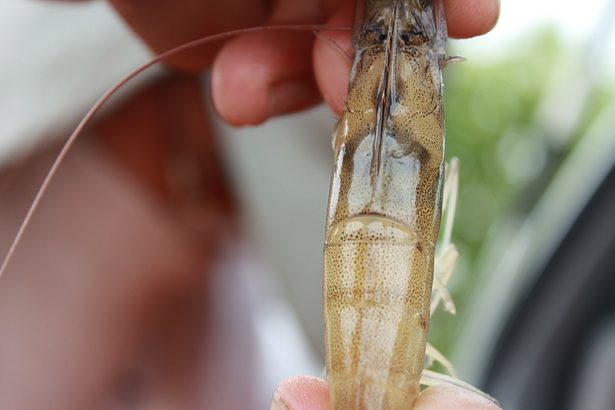
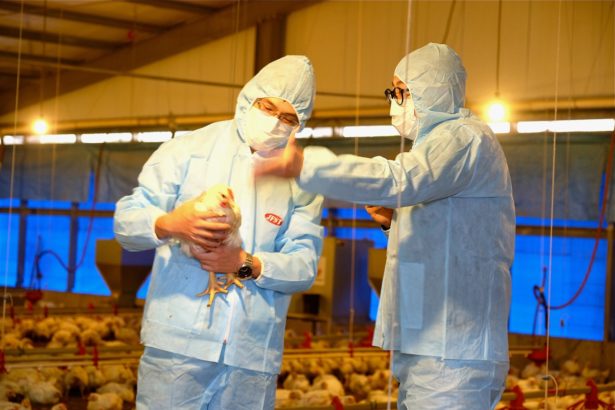
Divided by feeding target, pellet feed can be classified into varieties for pigs, poultry, ruminants, and aquatic products such as fish and shrimp; by processing characteristics, it can also be divided into hard pellets, soft pellets and extruded pellets. The sinking feed and floating feed commonly seen in aquaculture correspond respectively to the feeding habits of different cultured species. The diameter and length of the pellets are also adjusted according to the species of livestock and poultry and their growth stage; for example, the pellets used for chicks and seedlings are usually smaller.
When using pellet feed, attention should be paid to storage conditions. It should be placed in a cool, dry and ventilated place to avoid moisture, caking and mold, and it is best to use it up as soon as possible after opening the bag. In hot and humid seasons, inventory should especially be controlled. If mold, off-odor or severe powdering is found, it should no longer be fed. In addition, the high temperature of pelleting may cause the loss of some heat-sensitive vitamins, so the formula generally includes appropriate supplementation. Farmers only need to feed scientifically in combination according to the product instructions.
Related Reading