Disinfection of chicken coops is the foundation of disease prevention on poultry farms; proper procedures can reduce disease risk.
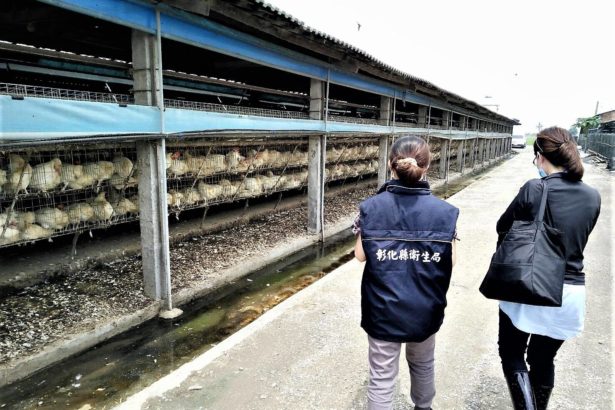
Chicken coop disinfection refers to the systematic cleaning and sterilization of the interior space of a chicken coop, its equipment and utensils, and the surrounding environment. Its purpose is to kill or reduce pathogenic microorganisms remaining in the environment and cut off the routes of disease transmission. It is a fundamental part of the biosecurity system on poultry farms and plays an important role in preventing common diseases such as avian influenza, Newcastle disease and Salmonella.
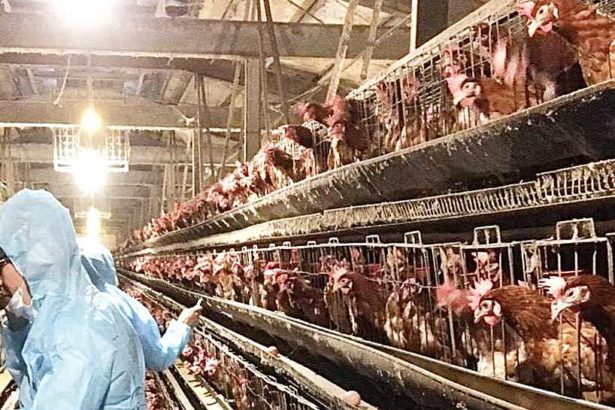
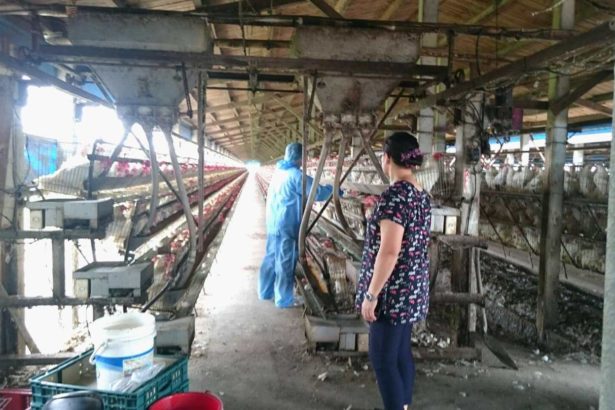
Disinfection is usually carried out in stages. Disinfection during the empty-house period is the most critical, generally including steps such as removing manure and litter, sweeping and washing, spraying disinfectant, fumigation, and leaving the house empty to dry, so that the chicken coop reaches a clean state before the birds are brought in. For routine disinfection with birds present, disinfectants that cause little irritation to the chickens and are highly safe should be chosen, and the air, floor and cages inside the house should be sprayed regularly, along with ventilation to keep the environment stable.
There are some common mistakes in actual practice. First, disinfecting without cleaning: manure and organic matter greatly weaken the efficacy of the disinfectant, so thorough washing must come before applying the product. Second, choosing the wrong disinfectant: only registered, qualified products approved for use in poultry houses should be used. Never casually spray environmental-use pesticides inside a chicken coop or on the birds themselves. In the past there were cases of illegal pesticide use leading to drug residues entering eggs, a lesson worth heeding.
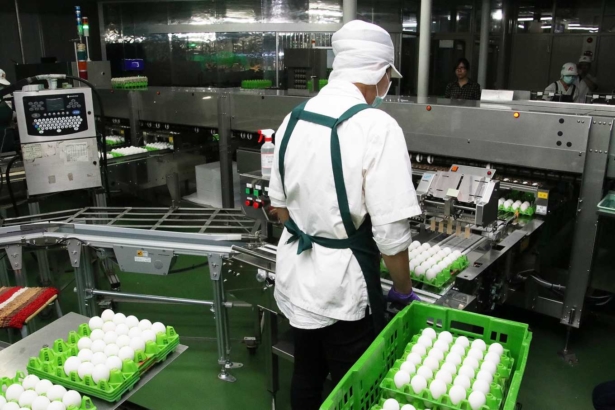
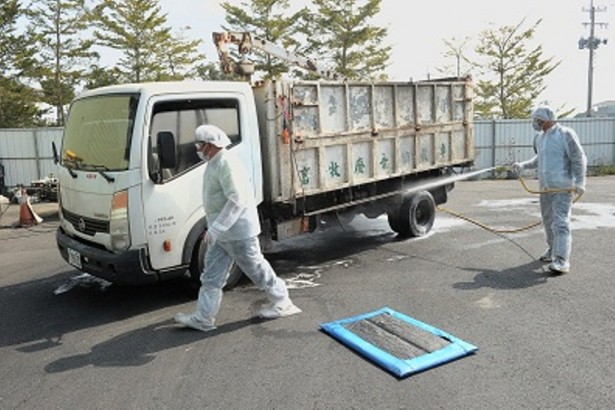
Besides the chicken coop itself, disinfection should also cover areas such as personnel entering and leaving, vehicle transport, and tools and clothing. Farms can set up disinfection pools and changing facilities at the entrance to the site, and transport vehicles should not enter or leave freely without disinfection. Only by making disinfection part of the daily management system, together with vaccination, proper ventilation and an all-in-all-out rearing method, can the risk of disease outbreaks be effectively reduced and the health of the flock and the quality and safety of poultry and egg products be safeguarded.
Related Reading