Squirrel Facts and Living Habits Explained at a Glance
Squirrels are a type of small to medium-sized rodent belonging to the family Sciuridae, widely distributed in forests, parks, and even urban green spaces. Their most obvious features are their bushy large tails and agile limbs; they are skilled at jumping and climbing among tree branches, and most species are active during the day, feeding mainly on nuts, seeds, tender shoots and fruits.
Common squirrels can be roughly divided into groups such as tree squirrels, ground squirrels and flying squirrels. Tree squirrels are the most common type, mostly building nests and active in trees; ground squirrels prefer burrowing and living on the ground; flying squirrels can glide using the skin membrane on both sides of their bodies. Different species differ noticeably in body size, fur color and habitat, and their distribution areas also vary.
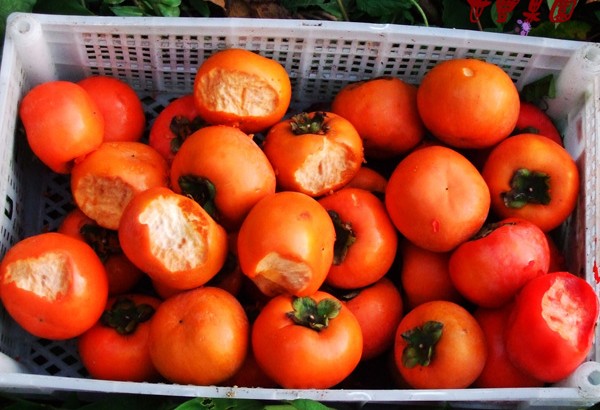
From an ecological perspective, squirrels have the habit of burying nuts to store food, and forgotten seeds have a chance to sprout and grow into small trees, which is somewhat helpful for forest regeneration. However, around orchards, squirrels may also gnaw on fruits or bite tree bark, and are often regarded by fruit growers as wild animals that need to be guarded against; when controlling them, ecological balance and agricultural production should both be taken into account.
It should be noted that when encountering a squirrel, it is not advisable to feed it casually or pick it up to keep at home. Wild animals have their own specific diets and ways of life, and artificial feeding may change their foraging behavior, thereby affecting the overall ecology. If squirrels cause trouble in the home environment or orchards, it is recommended to contact the local wildlife authority or professionals for assistance.
Related Reading