Osmanthus has a wide range of uses, with value in food, medicine and ornamental planting
Osmanthus is a traditional precious flowering tree in our country, known for its rich fragrance. Its value is not limited to ornamental use; it is widely used in food, beverages, medicine, spices and many other fields, making it a tree species that combines ornamental and practical value.
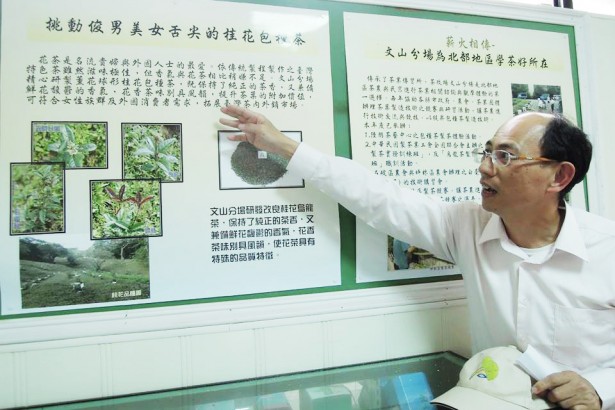
In terms of food, osmanthus is most commonly found in various traditional foods. People often use fresh or dried osmanthus to make osmanthus sugar, osmanthus cake and osmanthus honey, and it can also be used to brew osmanthus wine. In addition, osmanthus is an important raw material for scenting flower tea. After the tea leaves absorb the fragrance of osmanthus, they can be made into osmanthus oolong and other flower teas, with a unique flavor that is quite popular on the market.
In terms of medicinal use, traditional Chinese medicine has traditionally regarded osmanthus as warm in nature, and its flowers, fruits and roots can all be used as medicine. It often appears in combinations for resolving phlegm and relieving cough, and for warming the stomach and dispelling cold. It should be noted that medicinal use should be guided by a physician, and it is not advisable to collect and take it blindly on one's own.
In terms of ornamental use and landscaping, osmanthus is evergreen in all four seasons, with a beautiful tree shape. When it blooms in autumn, its fragrance fills the whole tree, making it suitable for planting in courtyards, parks and along both sides of streets. It is an excellent landscaping tree species. At the same time, the fragrance of osmanthus can also be extracted to make essential oil, or used for aromatherapy and the scenting of daily chemical products, and the scope of application is still constantly expanding.
Overall, the uses of osmanthus cover many aspects such as food, medicine, ornamental appreciation and spice processing, and its economic value is relatively high. If water and fertilizer management and pest and disease control are done well during cultivation, both ornamental effect and practical returns can be maintained over the long term.
Related Reading